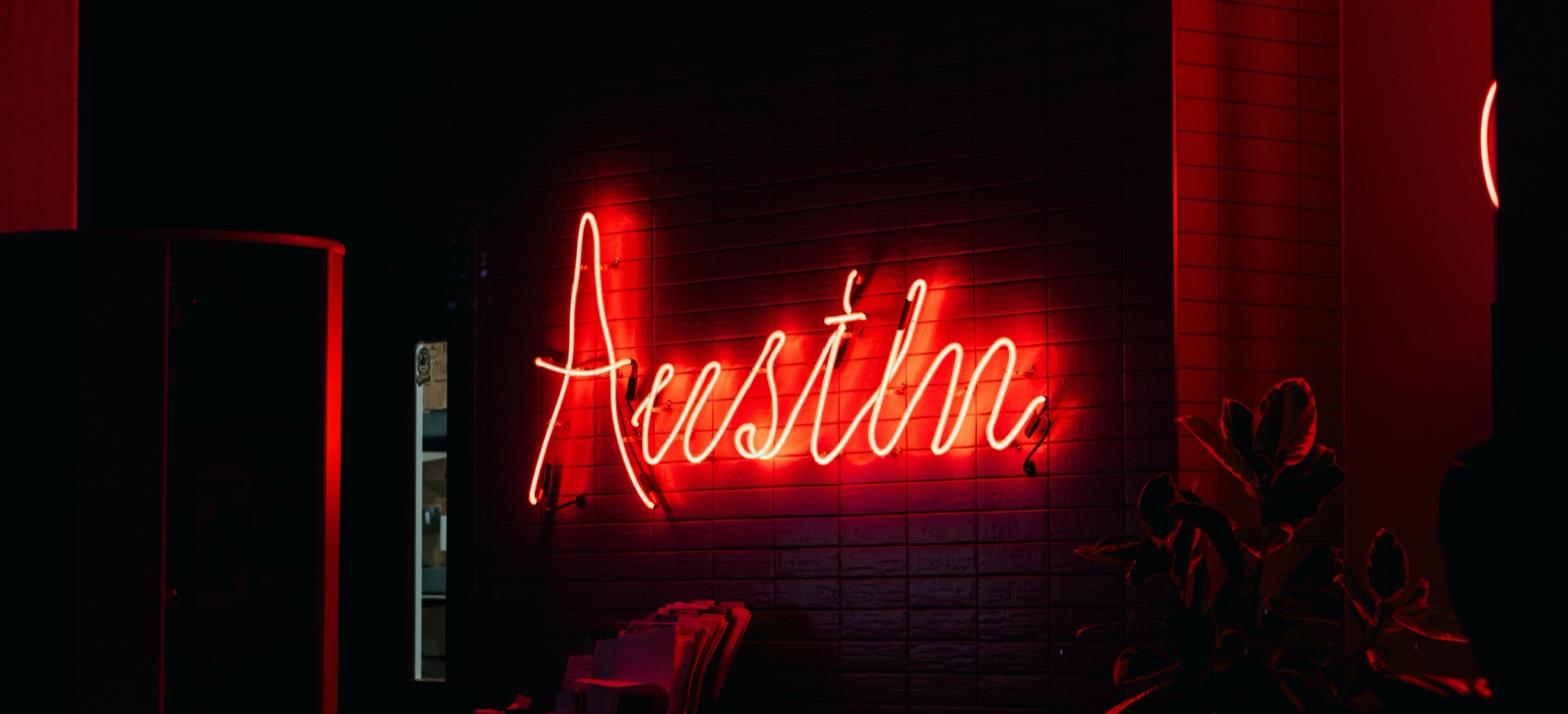
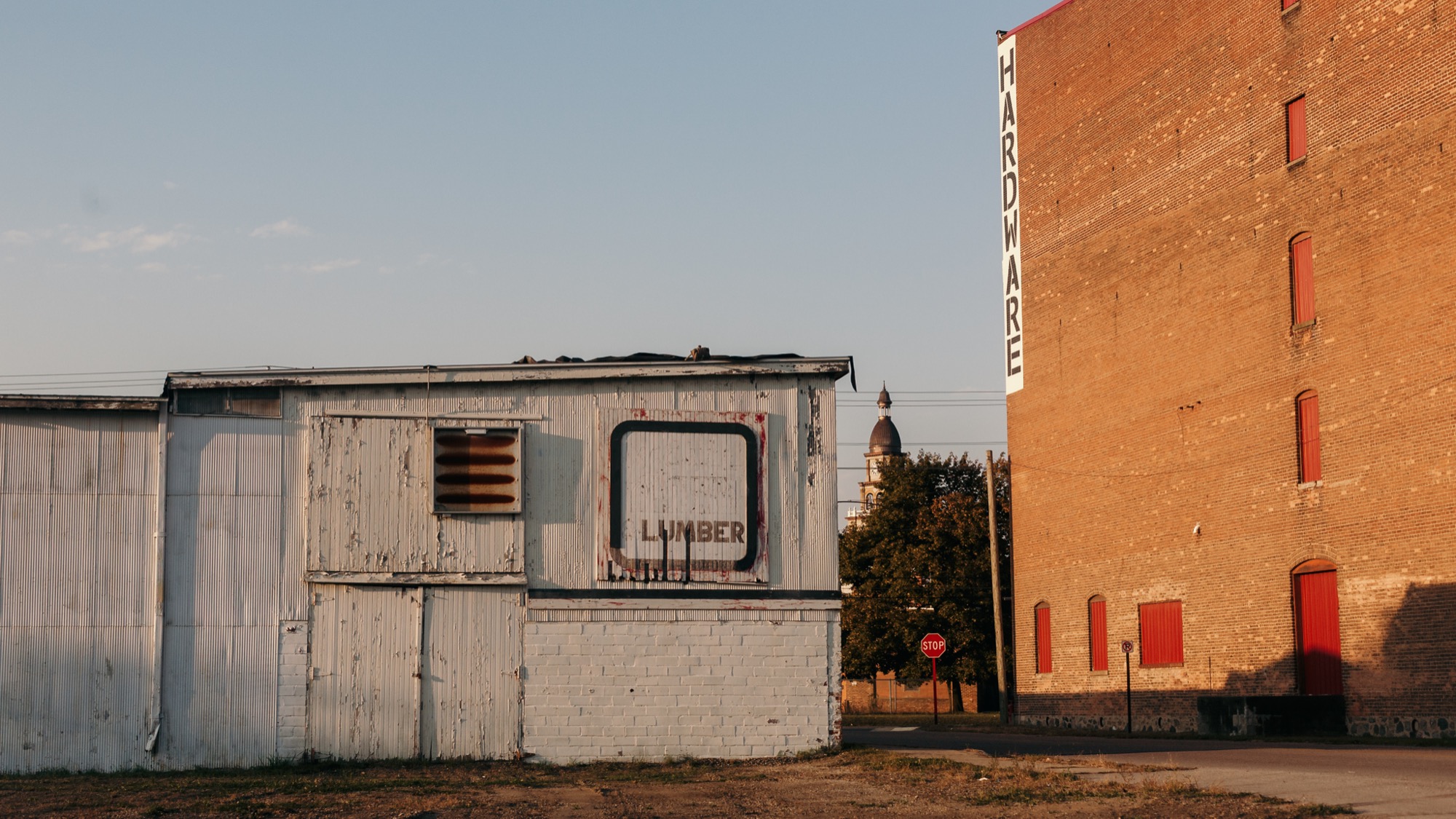
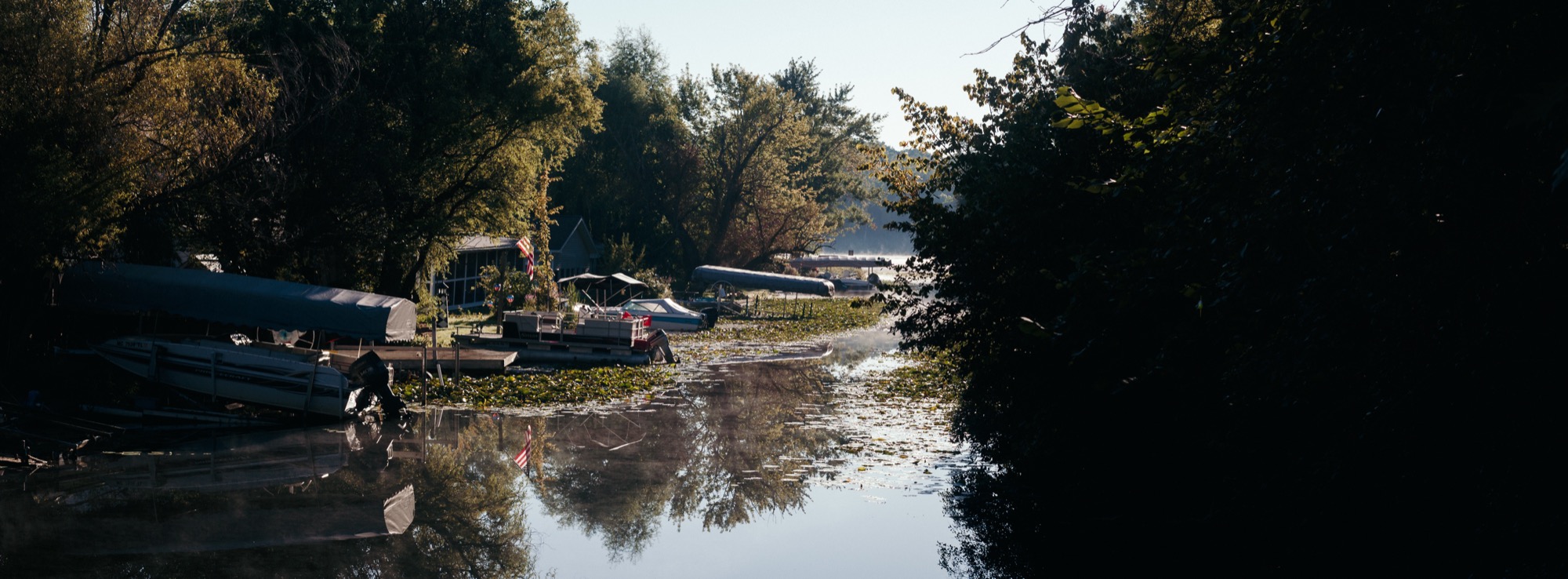
I came back to Austin, Texas, for a conference in November – the same conference I attended last year and had such a productive photography trip, walking around the city.
This year, it was much the same: beautiful, sunny weather, and a great chance to walk around downtown to grab some night images.
I brought along my Canon EOS M6 and a couple of bright lenses to capture the nightlife around 6th Street and the surrounding blocks.
Fujifilm cameras are famous for their film simulations that give images a unique character straight out of the camera.
One of the most beloved of these is Classic Chrome, known for its subtle tones, soft contrast, and cinematic feel.
But what if you shoot Canon? Good news: as I’ve talked about before with film emulations like Kodachrome and T-Max, you can get surprisingly close to that Fujifilm look with Canon’s Picture Style system.
Fuji’s Classic Chrome is all about restraint. It tones down saturation, especially in reds and blues, creating a muted, documentary-style color palette. Shadows lean slightly cool, highlights stay gentle, and the overall feel is understated – with a little touch of pink/magenta in bright spots. Think: vintage travel magazines or classic street photography.
And honestly, it’s very different from my own high-contrast, deep-saturation look. However, thanks to this Canassic Chrome (Canon + Classic = Canassic) emulation, we Canon users can achieve a similar look to that of Fuji using Picture Styles.
Here’s a quick comparison: my edit on the left, Canassic Chrome on the right:
I prefer my shadows to be black and my colors to pop (left). Classic Chrome (right) is different, a bit softer, and I took a chance on it during a recent trip to Lisbon, Portugal.
Canassic chrome in portugal
On our anniversary trip to Lisbon, Portugal, I loaded my Canon EOS M6 with Canassic Chrome to give it a spin.
What made this trip great was the variety of weather conditions. We saw sunny beach scenes, rainy and foggy hilltops, ocean cliffs, sea-side sunsets, and the contrasty urban environment of old town Lisbon.
Above, it shows its subtle tones and desaturated look on the beach at Costa De Caparica, Portugal.
I’ll have more to share on our Portugal trip, but throughout this Canassic Chrome discussion, you’ll see photos from the M6 that show what Canassic Chrome can do.
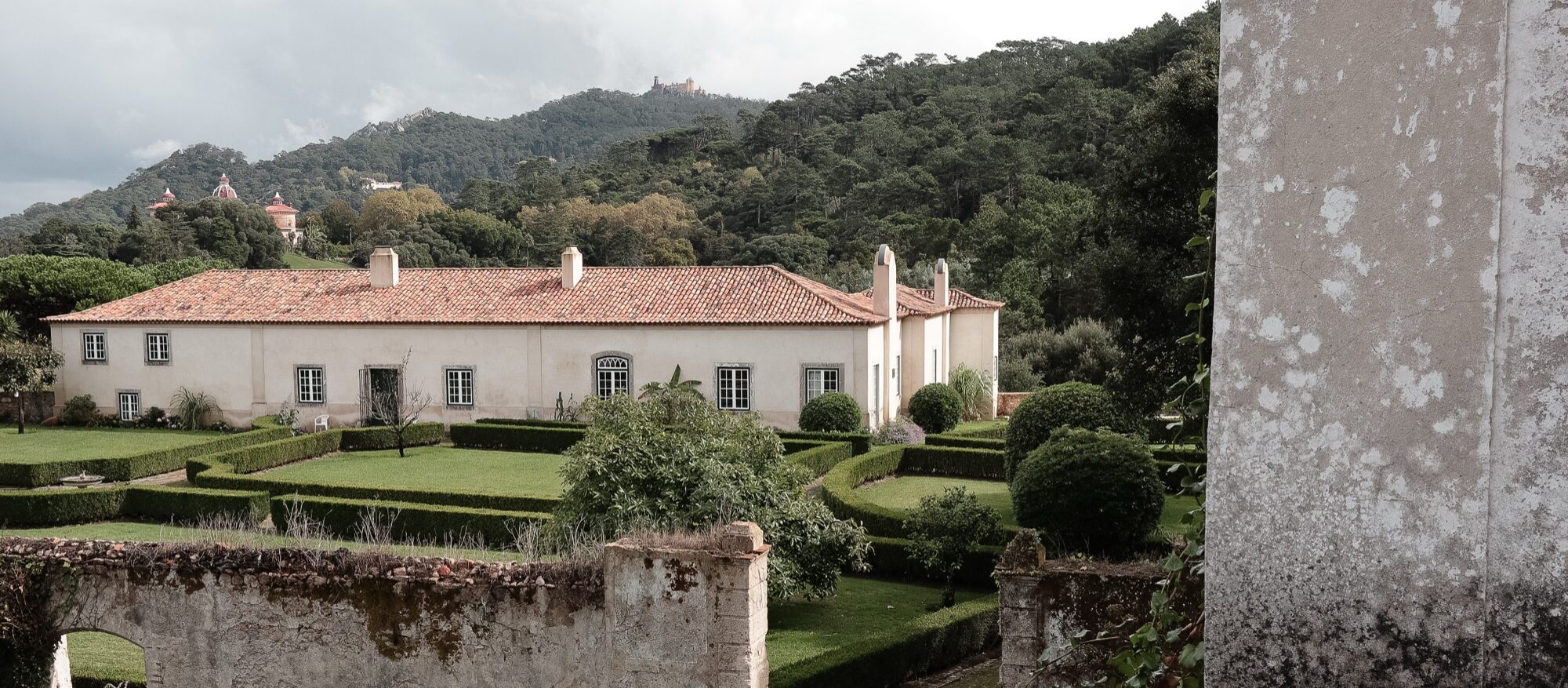
Above, I try Canassic Chrome on a rainy, foggy day in Sintra, exploring the colorful palaces and green hillsides.
Adding a touch of warmth by using Canon’s cloudy white balance was maybe a bit too much – but that’s what the experiment is for.
Here, I took Canassic Chrome for a test drive on the beaches of Costa de Caparica, close to sunset, to capture the soft, golden hour tones of the Atlantic coast.
These show the slight pink and magenta cast the Picture Style offers. It’s definitely a unique look.
WHere to get canassic chrome, and how to install it
Initially, you could grab Canassic Chrome from a site called Canon Style. Their YouTube channel remains, but the site is no longer available.
Thankfully, you can grab the Picture Style from Anh Hàng Xóm on Gumroad (I threw $1 at him, just to say “thanks”)
Once you have downloaded the PF3 file, follow these steps to install it on your Canon camera.
Set your camera to shoot either JPG only or JPG + RAW, and select the Picture Style to have your camera save a Chrome JPG.
Go out and find something to photograph to test it out.
Above are some scenes from around Old Town Lisbon – bright and sunny, showing that Canassic Chrome can be a versatile film emulation that I found flexible enough to both fit my style and provide a unique look to these pictures.
How to create your “Classic Chrome-style” Picture profile file
Want to create a Chrome style all your own? Canon’s Picture Styles give you full control over how your JPEGs (and preview images in RAW) render color, contrast, and sharpness. You can tweak existing profiles or load custom ones into your camera using Canon’s Picture Style Editor or third-party styles designed to emulate Fujifilm simulations.
The look to shoot for: muted global saturation (especially red/orange), slightly cool/teal shadows, restrained highlight roll-off, modest contrast in midtones. Overall, a cinematic and documentary feel (quiet, desaturated, moody). Use this as the target when building a Canon Picture Style.
Open either the Faithful setting or the Canassic Chrome as a base style in the editor.
Adjust parameters to your liking:
Contrast: –2
Saturation: –2
Color Tone (or colour tone/hue): slight warm shift (+1)
Sharpness: a modest increase (+2)
Save/export the result as a .PF2 (or .PF3 if your camera supports it).
Use EOS Utility (Canon’s camera software) to upload the PF2 to your camera’s custom picture-style slot.
Shooting with THIS Classic chrome Profile
Using a Classic Chrome-style Picture Style lets you capture photos with mood and personality straight out of camera. It can save editing time, help maintain a consistent aesthetic across shoots, and inspire a slower, more intentional approach to composition. Think of it like shooting film.
Coming back from Portugal, using the film emulation definitely saved on editing time. I picked a few selects from the JPGs and shared them on Instagram almost instantly. Since I can wirelessly transfer the photos from my M6 to my phone, it made sharing these photos super easy.
Whether you’re documenting a quiet street corner in Lisbon or chasing soft afternoon light near your own home, bringing a Classic Chrome vibe to your Canon setup is an easy way to infuse your digital pictures with timeless character.
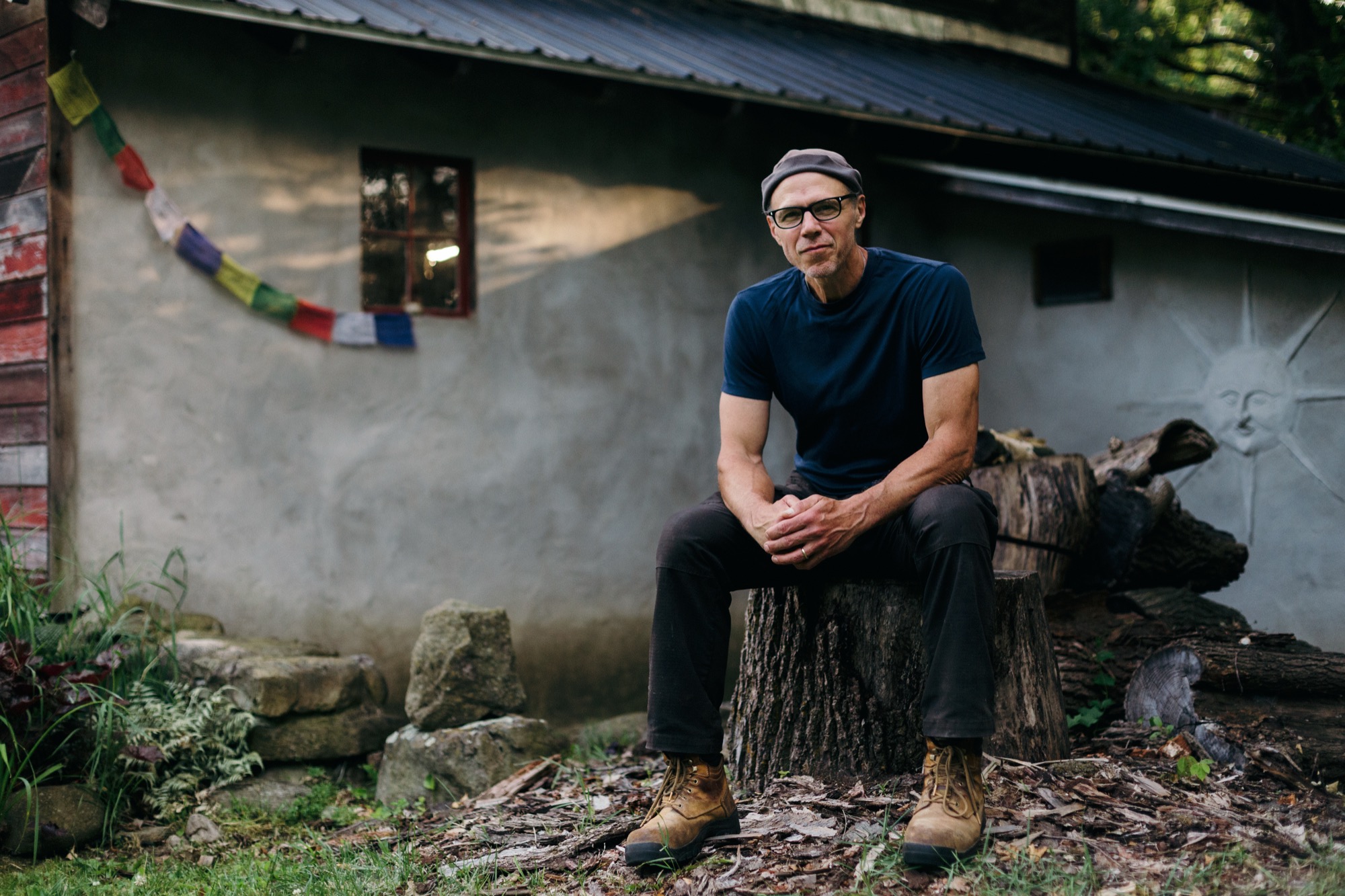
Known for his figurative and kinetic sculptures, Tim’s work blends whimsy with craftsmanship. His pieces often balance, spin, or sway – sometimes, just for fun.
“A lot of this stuff moves or has a purpose, but it’s not like a practical purpose,” he says. “I like the idea of making something that does something, but there’s really no reason for it.”
Early Creativity
Tim’s creative story begins far from Michigan, in the western U.S.
Growing up a creative kid in Albuquerque, New Mexico, and later spending time in Oregon, Tim was drawn to the outdoors and the tactile world of making things. His early fascination with Native American culture and ancient traditions, particularly those of the Hopi and Zuni tribes, shaped his artistic sensibility.
“We’d go to the dances at the Pueblo. That exposure made me more interested in a lot of different cultures,” he says.
Before sculpture became his calling, Tim built a career in construction and contracting. He specialized in marble and tile work, creating intricate inlays and custom medallions for homes and businesses in and around Naples, Florida.
“I always liked working with my hands,” he explains. “I started doing tile and marble, and then I’d make tables with inlays. It was creative, but it was also practical.”
Those years, and those early cultural touchpoints, taught him the skills and worldview that would later define his art.
Experimentation and Autonomy
Tim never studied sculpture formally. Instead, he learned by doing.
“I definitely progressed because a lot of the earlier stuff, when I look at it now, it’s kind of rough,” he admits. “I guess it was just experimenting.”
That spirit of exploration remains central to his work. For Tim, art is freedom.
“You don’t have a boss telling you no,” he says. “You’re your own boss. If someone doesn’t like it, that’s fine. And if someone does, that’s great.”
Figurative and Kinetic Sculpture
Today, Tim is best known for his figurative and kinetic pieces. His portfolio (and his property) is filled with curious representations and characters. In his studio, he’s carving a standing wooden figure. Out in the yard, there’s a head made of stone.
“To me, figurative art is more appealing. I don’t like abstract,” he says. “I always like just having an idea and thinking, ‘I’d like to see it actually exist.’ It’s almost like an invention.”
Tim’s studio in rural Jackson is a workshop of constant motion. He works with reclaimed materials, metal scraps, and wood, often starting with a single piece that sparks an idea.
“It’s the fun part to pick something up and then actually make it,” he says. “After it’s done, I’m not as worried about it anymore.”
Beyond his studio, Tim is an active presence in mid- and southeast Michigan’s art scene. He exhibits regularly in Detroit-area galleries and participates in local shows that bring together regional artists.
His work has become a familiar highlight at community art events, where its playful energy draws both collectors and casual viewers.
Brigit, his wife, sums up his appeal simply: “Tim’s work makes you smile. It’s clever and full of life.”
For Tim, that playfulness is the point.
“Either way, I just like making things,” he says. “If someone connects with it, that’s even better.”
Another Saturday morning, another small town in south central Michigan.
This time, I picked a sunny fall morning and drove south to Hillsdale, a small town that I haven’t seen in 15 years. I used to travel to Hillsdale for work fairly often. Today, it’s all photography, and a fresh chance to revisit this small city.
Hillsdale is about a 40-minute drive from Jackson, through the rural countryside, and it was a good opportunity to get to see this section of US-12 again.
The first stop? Lewis Emery County Park to watch the sun rise.
I met this gentleman who was struggling to find a fish.
“What are you photographing anyway?” he asked.
The scenery, I said, and to watch the colors change as the light came in.
“Well, if you see any fish around, send them my way,” he said.
Driving into town, I spotted this industrial section of town and pulled over to explore. The sun was coming up and lit up these bright white silos perfectly.
On the town square, near the courthouse, I walked around the farmers’ market and bought a delicious selection of apples.
At the farmer’s market, I ran into a co-worker and her friend.
“What are you doing down here?” she asked.
Have camera, will travel, I said.
Photos shot with the Canon 5D (classic!) and either EF 50mm f/1.4 or 40mm f/2.8.
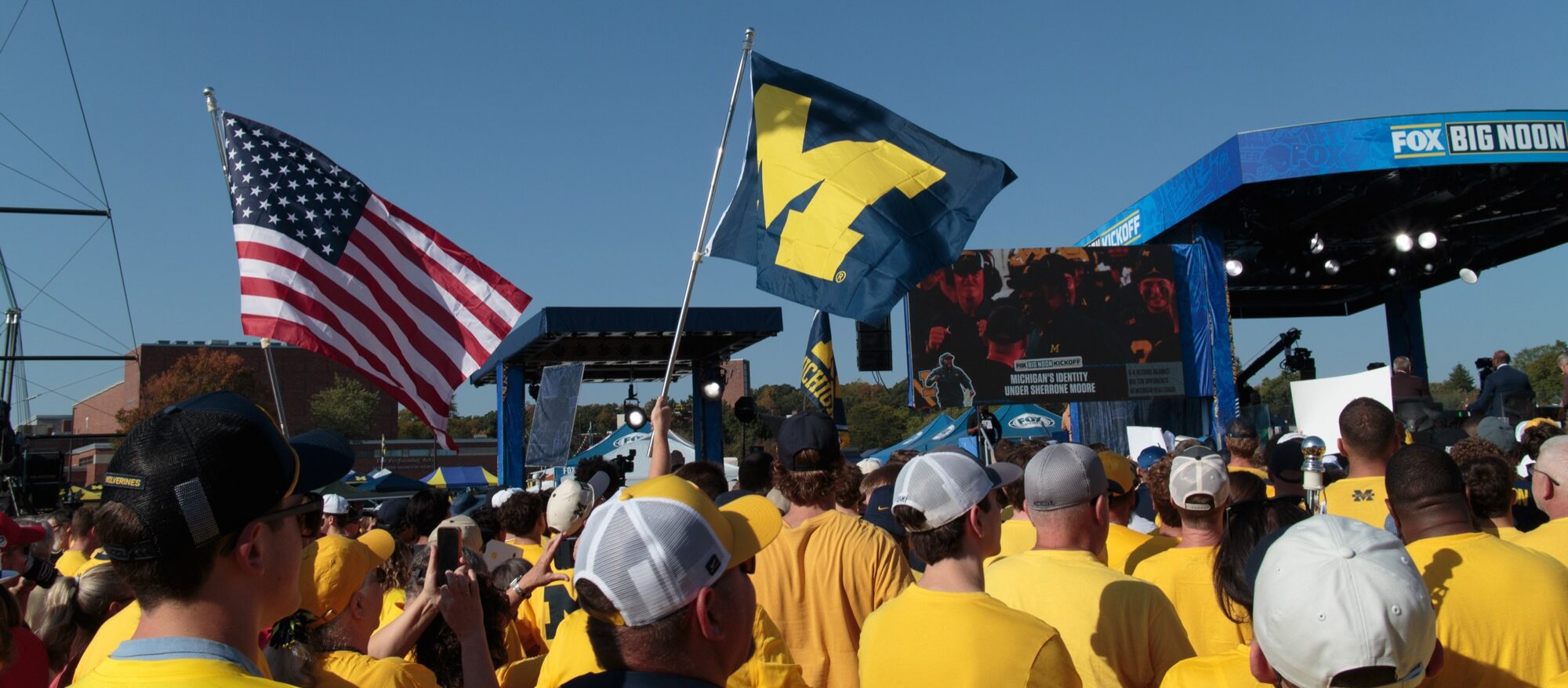
Back to the University of Michigan’s Big House, the largest stadium in America, this time to watch the Wolverines take on the University of Wisconsin.
My friend, Don, and I started out at Fox Sports’ Big Noon Saturday TV taping, live from the high school across the street from Michigan Stadium.
If you treat these big game settings as street photography, you can capture the fun and excitement of all the fans. I brought my Canon EOS M2 as my light and portable gear, easily bringing it everywhere I went. I even put it in my back pocket and breezed past the security checkpoint.
The weather was warming up – and quickly – as we headed into the stadium. By halftime, the temperature climbed to the unseasonable 80-85 degrees F.
We had to take a break and drink some water in the shade. We weren’t the only ones.
This didn’t feel like fall football in October. This felt like summertime.
By the start of the fourth quarter, the game was well in hand for Michigan. I grabbed a few final photos on my way out of the stadium, taking advantage of the bright sunlight and all those maize-colored shirts and jerseys.
Let’s go, Blue!
Photos shot on the Canon EOS M2 and EF-M 22mm f/2.
This New York Times profile on photographer Sally Mann – one of my family photography heroes – is one of those periodic reminders of the importance of making photos at home.
Sally became well-known (and, sadly, controversial) because of her intimate family portraits. She has since moved on to landscapes and other forms of photography, especially as her children became adults.
I feel that transition happening in my own life, too. For the past 10 years, since my daughter Madelyn was born, family photography has been my main creative outlet: photos around the house, family vacations, and capturing moments as my kids get older.
In the past year, however, I have had more time for creative projects outside of my family and home. I rebooted my Artists In Jackson project, I’m taking more time to take little adventures around my community, and I’m revisiting projects that I worked on long ago.
It feels good! And I have a metric that shows my return to other kinds of photography – my Lightroom photo count:
Over the years, my photo count has decreased. Now, for the first time in a long time, I’m taking more photos than I have in years past – by a lot. That feels good, too.
But despite doing more photography, I haven’t lost sight of the importance of my own household. The kids are more mobile and active these days, but I still try to steal a shot when I can.
Family photography is still the most important kind of photography. It’s just that now, I have found my way back to other projects.
There’s a lot of talk in the photography world about “everyday carry” cameras, or fixed-lens compact cameras (like the Fujifilm X100 series).
You need a portable camera, the thinking goes, to carry with you everywhere you go so you don’t miss out on those moments in between.
When I first purchased the original Canon EOS M, its “everyday carry” potential hit me immediately. “Here’s the camera I can throw in my front seat and take everywhere,” I remember thinking. That philosophy played out for 12 years, and I’ve enjoyed having the Canon M system in my life.
There are issues with the OG M, however: It’s slow to focus, and the screen blackout after taking a shot is obnoxious. Over the years, I’ve learned to live with these shortcomings. But ever since the dawn of Canon’s M system, these issues have plagued the camera line – and understandably so.
We never got the M’s successor, the Canon EOS M2, here in North America. I did hear about it, though, and longed for its faster autofocus and overall improvements in snappiness.
When my M finally gave up the ghost, I decided to upgrade my everyday carry and snatch an M2 from Japan.
Again, I loved my Canon EOS M, despite its flaws. It was the perfect example of “good enough,” and I appreciated the EF-M 22mm f/2 lens, which remained on the front of the camera at all times. In effect, it served as a fixed-lens compact camera for me. The 35mm field of view helped the M serve as my X100 with the benefit of Canon’s comfortable colors and usable interface.
Since using the M2, I remembered how slow the M was, because this little camera is much better at autofocus and has a dramatically reduced screen blackout after pressing the shutter. In fact, it was startling to go back to an M and be reminded of how pokey it is.
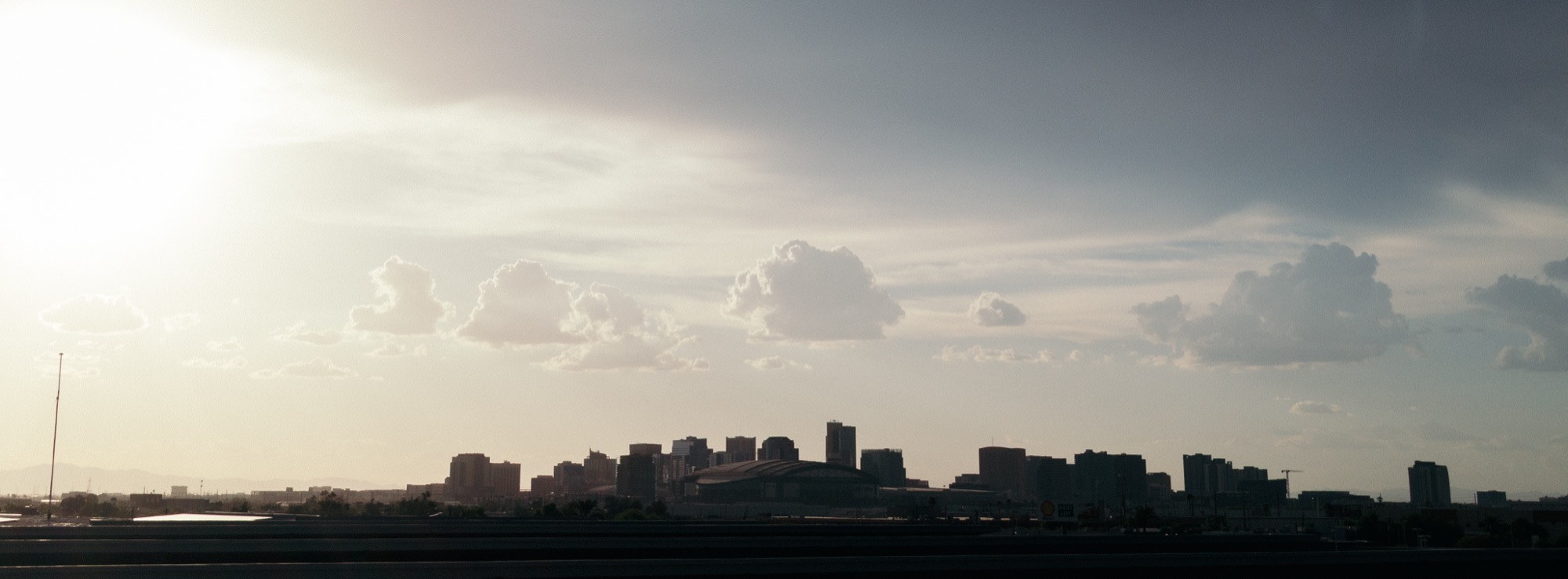
Now, the M2 is not going to win any speed awards. The whole M system is notoriously slow. However, taking this M2 out to Phoenix, Arizona, for a work trip (above and below), the speed benefits were immediately apparent.
The features I loved about the original M were all still here in the M2: fantastic image quality, body toughness, ease of use, and – this might be a just-for-me thing – the use of the delete button on the scroll wheel to reset the touch screen focus point (something I miss dearly on the newer M cameras).
To put it more pointedly: the M2 is a comfortable, familiar piece of kit. Just a bit better.
It’s also just a tad smaller and has added wifi functionality that will help if you use Canon’s mobile app. It has the same touchscreen as the M, which can be difficult for some folks to use in bright conditions. However, after using the M for years, I’ve made peace with the lack of an electronic viewfinder or flexible screen. Even in the hot Arizona sun, I can still make this fixed touchscreen work.
Another cosmetic thing I love about the M2 is its color and style. I grabbed the blue and brown version, which fits in perfectly with my photography aesthetic. The best description of my gear is, What if Indiana Jones had a camera, strap, and bag? That’s the style I’m after. So this little M2 fits in perfectly with the rest of my kit.
The only thing that doesn’t fit, cosmetically, is the black and silver EF-M lens color scheme. Just as you shouldn’t wear a black belt with brown shoes, the black EF-M lenses clash somewhat with this blue and brown camera body. Silver doesn’t look great either.
Yes, the M2 is 12 years old. No, the video specs aren’t the best. Nor is it a speed demon.
But if you’re dedicated to the M system and EF-M lenses, and you enjoyed the original Canon EOS M, the M2 is a worthy successor.
All images, except for the camera portraits, were shot on the Canon EOS M2 and EF-M 22mm lens.
My family and I are participating in our local theatre production of The Full Monty.
When our family performed in Chitty Chitty Bang Bang in 2023, I was an observer as my wife and two girls starred in the show. This time, I joined the team as an ensemble member.
For our rehearsals, I asked for special permission to bring my camera and capture some behind-the-scenes pictures. These BHS shots are often my favorite kinds of photos. I feel like I would’ve been a great on-set movie photographer.
This is also a way I can give back to the production without working on the set, or the market plan, or having a starring role. By taking photos, I can capture the process. Along the way, the cast and crew can see how the show becomes The Show.
Throughout the month of rehearsals, I snagged hundreds of photos. Here are my 10 favorites and why I appreciate them so much.
#10: First Day of Rehearsal
I walked into the church basement, where we would live for weeks fleshing out the show, and was immediately caught by the light streaming in the sliding-glass window. This was a good sign: good, dramatic light. I knew I had a good situation to create interesting photos.
#9: View from the Stage
In the church where we rehearse, there is a stage where we don’t rehearse – which I think is kind of funny. Maybe it’s too small. But anyway, here’s a view from that stage as we practice.
#8: Jaime Feeling It
My wife, Jaime, is feeling something here. It was a fun moment to capture as the other actors read their lines.
#7: Contacts for Harold
Vicki (played by my wife, Jaime) and Harold are my favorite characters in The Full Monty. Initially, you see them as a materialistic couple that only cares about money, vacations, and displaying a false image of wealth and status. But soon you realize that they are deeply in love, and none of those material things matter. Here’s a moment where you see Vicki’s love for Harold in action, and it’s a hilarious moment in the musical.
#6: Makeup Time
Pure backstage goodness. Matt is our stage hand, and he plays a club owner in the musical – typical big, tough, handy guy. Here, he’s getting some makeup applied by his partner, Kris.
#5: The Boys
The six main characters of the show, here lined up on stage. I love how the negative space created by the shadow in front of the stage blacks out the entire theatre, leaving the focus on the guys with their hands raised.
#4: Reg In Light
Here, Tori looks like Bruce Wayne, barely in light, mostly in shadow. Tori was a frequent subject of photos because he’s such a character.
#3: Dressing Room
Before we got settled into the theater and backstage, I caught this quiet moment with Talon in the dressing room that I really like.
#2: Reg In Shadow
Like I said: Tori is a character, and here, that dynamic light in the church basement comes back into play. I fell in love with the light in our rehearsal space.
#1: Jerry In Repose
My favorite shot from rehearsals – this moment of quiet and rest from Talon, who plays Jerry, on the stage. It’s minimal, focused, and the contrast between Talon’s skin and the black stage floor is my kind of perfect.
I took a lot of photos during the process, and I’m very proud of the work. You can see more photos from our The Full Monty rehearsals on my Flickr profile.
BONUS: Horse Cracking Up
Allyn is a laugher, and I have a ton of him cracking up at some inappropriate comment. This one was my favorite 🙂
All photos were shot on the Canon EOS M6 with a variety of lenses.
It’s not every day a couple of hot air balloons float above the neighborhood.
But when you’re block sits here on Lawrence and Highland Boulevard, on the south side of Jackson, Michigan, you’re not far from our local Hot Air Jubilee launch point.
So: balloons. Floating through a neighborhood.
On this neighborhood walk, I was approached by a guy who was watching me from his porch. He saw me taking a photo of a shadow and asked me why I was taking a picture of a license plate.
I tried to reassure him I was only taking photos of light and color around the street, but I think he was still suspicious.
“Didn’t you see those balloons?” I thought. They’re the real intruders worth worrying about.
Back when I was single with no kids, taking off on a Saturday drive to take photos was easy: I just got up and did it.
Now, with a family and more responsibilities, spending time out taking photos has been harder to do. Many of my weeknight activities involve taking kids to their lessons or school functions. There are doctor appointments and musical practice. Someone has to do the dishes and mow the lawn. And my wife and I have a relationship to nurture.
So what to do? How can a busy person support a photography hobby with such a constrained schedule?
My advice: take opportunities when you can, and don’t feel bad about it.
The concept of microadventures has gained popularity in recent years, where you take a weekend, or a day, and head out into the world to do…something — anything out of the ordinary.
For photography, it could be as simple as:
Waking up early and hitting the road to photograph a landscape or subject before the rest of your household even knows you’re gone. I do this on Saturdays when I know the weather and the light are optimal. Often, I’m back before everyone’s even had breakfast.
Taking advantage of work trips. I do this a lot with conferences, where you can head to a city across the country and wander into town to make pictures. Bring a camera with you on your next work trip and you can create something in the quiet moments.
Grab an hour when and where you can and check something off your to-photograph list. If we have nothing planned for the week, I’ll take a break after dinner and photograph a subject I’ve noticed during my travels around town. I’ll even stop somewhere on the way to pick up the kids (from the grandparents, from school, etc.) and capture something I’ve noticed.
This could be true of any creative project. The point is: make your own adventures whenever you can.
And for big projects? I communicate those with my family and ask for time to complete them. That may mean a few hours here and there during the week, but as long as you’re upfront about expectations and schedules, it shouldn’t be difficult.
The Irish Hills in south central Michigan continue to be an ongoing project – one of the places I return to, time and time again, to capture an area that I love.
Except it’s been nine years since I was out this way. Much has changed.
I brought along the Canon 5D Mark II and both the EF 40mm and 50mm lenses, and started with the little lakes that run along US-12.
As luck would have it, the fog rolled in on this cool September morning and made for some good imagery down these long country dirt roads.
Further East on US-12, I stopped to revisit the amusement parks and classic Irish Hills roadside stops that I’ve spent years photographing.
Sadly, many of my old haunts were either torn down or converted into unrelated businesses (Prehistoric Forest, for instance, is now a golf cart rental shop). A lot can change over nine years.
To me, seeing all these classic Irish Hills stops being torn down or transformed means it’s more important than ever to photograph them before they’re gone.
Just a little further down US-12, I stopped by a few more lakes – Sand Lake and Evans Lake – because they still had a little bit of fog, and the light was just right.
The bright reds, especially, stuck out from the background of blue and green on these lakes.
Before the light disappeared, I headed back to my hometown of Brooklyn, Michigan, and stopped at a marina for some more boat shots before the fog burned off completely.
I grew up in this area. It’s always nice to revisit these familiar scenes when the morning light is just right. Photographing a place you love shows a special kind of respect.
Part of these morning trips involves simply driving around, exploring, and seeing what scenes catch my eye. Dead ends are never a bad thing – it’s all about the adventure.
So when leaving Brooklyn, I stopped at a few final places to look at them with a photographic eye.
It’s home, reimagined.
Shot on the Canon 5D Mark II with the EF 50mm f/1.4 and 40mm f/2.8.
Over the years, I’ve built up quite the Canon EF-M lens collection.
I have the tried-and-true Canon EF-M 22mm f/2 – a reliable, sharp, portable pancake lens that shines in every situation. The EF-M 32mm f/1.4 is the 50 mm equivalent, more for portraits and street photography. And then the EF-M kit zoom and 28mm macro rounds out the selection.
Viltrox, before Canon discontinued the EF-M line, produced three fast prime lenses, too, and I have two of them now: the 23mm f/1.4 and 56mm f/1.4.
I took the 56mm for a test drive around the block as golden hour was lighting up the neighborhood.
The Viltrox 56mm is a chunky lens, featuring a tough metal construction, a nice lens hood for protection, and a substantial amount of glass to achieve a wide aperture.
It feels like a quality lens. It performs like one, too: a bit of chromatic aberration wide open, but stop it down a bit and the image quality is excellent.
There’s one little hiccup, though, and that’s that the lens tends to render images darker than they should be. When you preview the image on the back screen, it looks great, but as soon as you snap the photo, the final image feels a stop or two underexposed.
I can adjust my Canon EOS M6 to overexpose a hair or two to get a properly exposed image, so it’s not a big deal, but know the preview image may be misleading.
Viltrox’s 56mm equals about a 90mm field of view on the M’s APS-C sensor, giving you some reach that’s nice for portraits.
For a little north of $200, the Viltrox 56mm is an affordable lens to round out your Canon EF-M set.
Usually, the amateur is defined as an immature state of the artist: someone who cannot — or will not — achieve the mastery of a profession. But in the field of photographic practice, it is the amateur, on the contrary, who is the assumption of the professional: for it is he who stands closer to the noeme [thoughtfulness] of Photography.
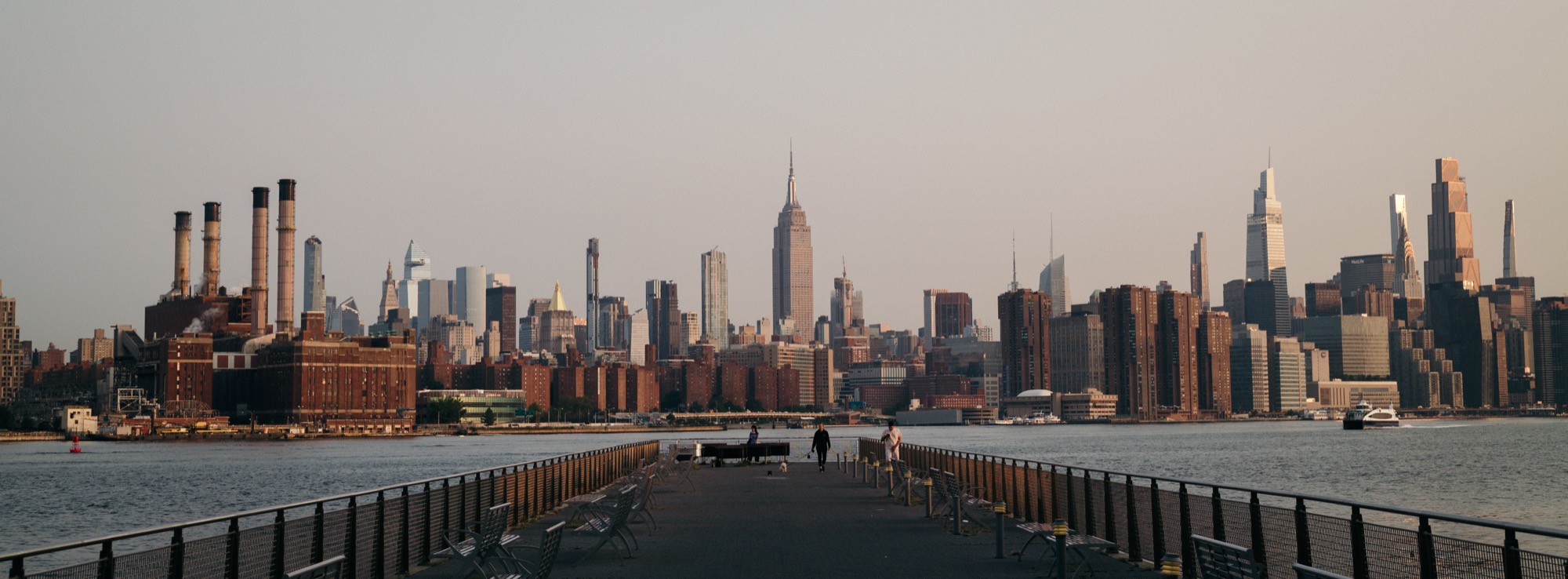
It’s a helluva thing to leave beautiful Pentwater, Michigan – a quiet village along a sandy Great Lakes beach – and land in Brooklyn, New York, all in one day.
But here I was, landing at JFK airport on a Sunday evening.
I travelled to Brooklyn on business after a frazzled trip involving too much time in the car and too long a walk after parking.
The remedy was to drop my bags in the hotel room, clean up, and hit the nighttime borough streets with my Canon EOS M2.
This was my first time in Brooklyn. I visited Manhattan years ago for a quick visit on my big New England trip in 2008. Now I had two days across the river to walk and explore.
After landing, I got up early the next morning and hit the East River for sunrise in New York. It was a beautiful morning, with sunshine and lots of joggers out.
For work, I stopped by Peter Pan Donuts for a work video shoot and grabbed some photos of this classic (and famous) bakery.
The team, and the donuts, were amazing. The kitchen was a bit crowded, but we managed to make it work for the video project.
From there, and fueled by a jelly-filled donut, I took the morning and walked around Brooklyn, walking the Brooklyn Bridge halfway to Manhattan and over the East River.
I brought along the Canon EOS M2, the successor to my beloved M. It keeps the form factor and toughness of the original M, and speeds up the autofocus and shutter blackout. The M2 and a few lenses were all I needed for walking around Brooklyn.
The city was hot and busy – a little too busy for my taste, especially having just left peaceful northern Michigan. By mid-afternoon, I was ready to hit the road to New Jersey for my next work assignment.