Football Fridays

Back at it again for marching band season.
Just wish Jackson High’s football team were better.
Shot with the Canon 5D mark II and EF 40mm f/2.8.
Back at it again for marching band season.
Just wish Jackson High’s football team were better.


Shot with the Canon 5D mark II and EF 40mm f/2.8.
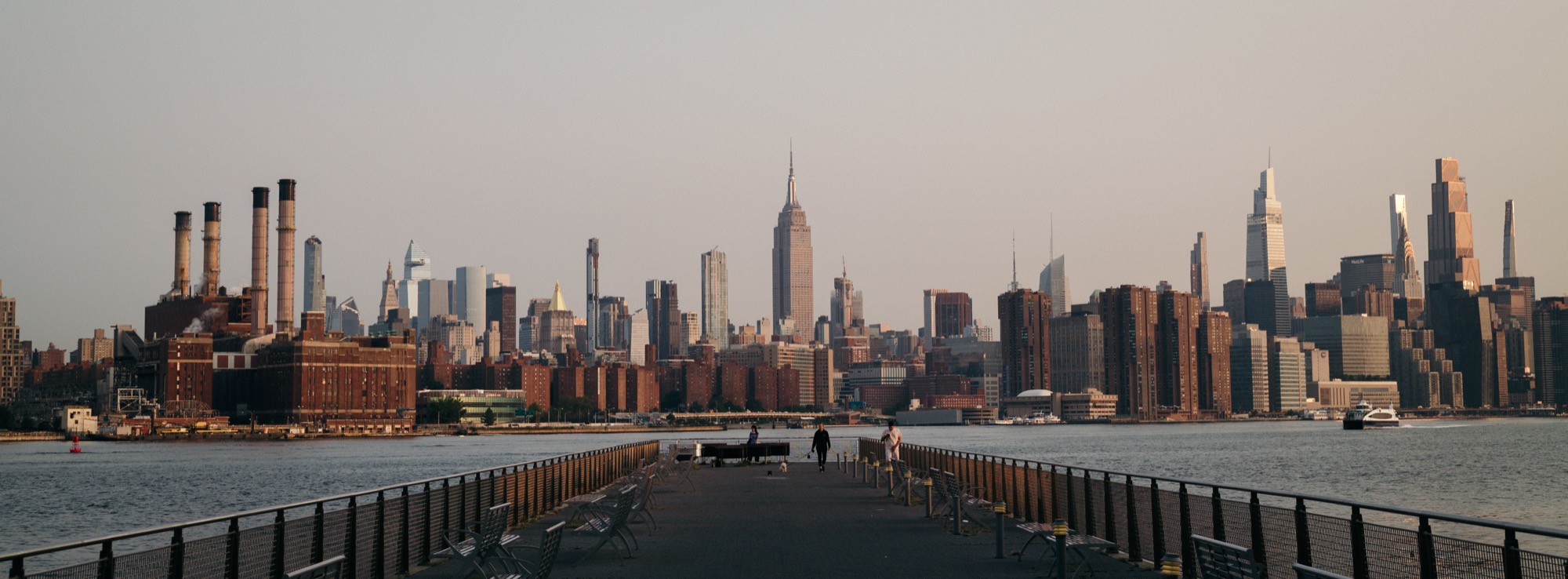
It’s a helluva thing to leave beautiful Pentwater, Michigan – a quiet village along a sandy Great Lakes beach – and land in Brooklyn, New York, all in one day.


But here I was, landing at JFK airport on a Sunday evening.
I travelled to Brooklyn on business after a frazzled trip involving too much time in the car and too long a walk after parking.
The remedy was to drop my bags in the hotel room, clean up, and hit the nighttime borough streets with my Canon EOS M2.


This was my first time in Brooklyn. I visited Manhattan years ago for a quick visit on my big New England trip in 2008. Now I had two days across the river to walk and explore.
After landing, I got up early the next morning and hit the East River for sunrise in New York. It was a beautiful morning, with sunshine and lots of joggers out.


For work, I stopped by Peter Pan Donuts for a work video shoot and grabbed some photos of this classic (and famous) bakery.
The team, and the donuts, were amazing. The kitchen was a bit crowded, but we managed to make it work for the video project.


From there, and fueled by a jelly-filled donut, I took the morning and walked around Brooklyn, walking the Brooklyn Bridge halfway to Manhattan and over the East River.
I brought along the Canon EOS M2, the successor to my beloved M. It keeps the form factor and toughness of the original M, and speeds up the autofocus and shutter blackout. The M2 and a few lenses were all I needed for walking around Brooklyn.


The city was hot and busy – a little too busy for my taste, especially having just left peaceful northern Michigan. By mid-afternoon, I was ready to hit the road to New Jersey for my next work assignment.
All in all, it was truly a shotgun trip.
One day later, I was back in Michigan and returning to Pentwater to test out the Retropia lens on my Canon EOS M2.
Our Methodist church hosts a summer family camp in Pentwater, Michigan, each August. My wife was a regular attendee growing up, but we – as a family – had never gone except for a brief visit a few years back.
This year, we decided to join our church and make it part of our summer getaway schedule.
Pentwater, Michigan, is one of those classic west coast Lake Michigan towns: small and exceedingly beautiful, catering to weekenders from Chicago, Grand Rapids, and Detroit.
That’s the village part. The Lake Michigan sand dune forest part? That’s what we came to experience.
On one side of the sand dunes, you have pristine Lake Michigan sand and water – complete with a wildfire haze sunset.

On the other side, it’s dirt and bugs and camp sites. No technology, very little cell service, and the perfect setting for our kids to explore, make friends, and get messy.


The sad part was that I had to leave my family after the first few days for a business trip to Brooklyn, New York. For both trips, I brought along my new Canon EOS M2 to test out.
The challenge in Pentwater: keep the sand out.
All images shot on the Canon EOS M2 and 22mm lens.
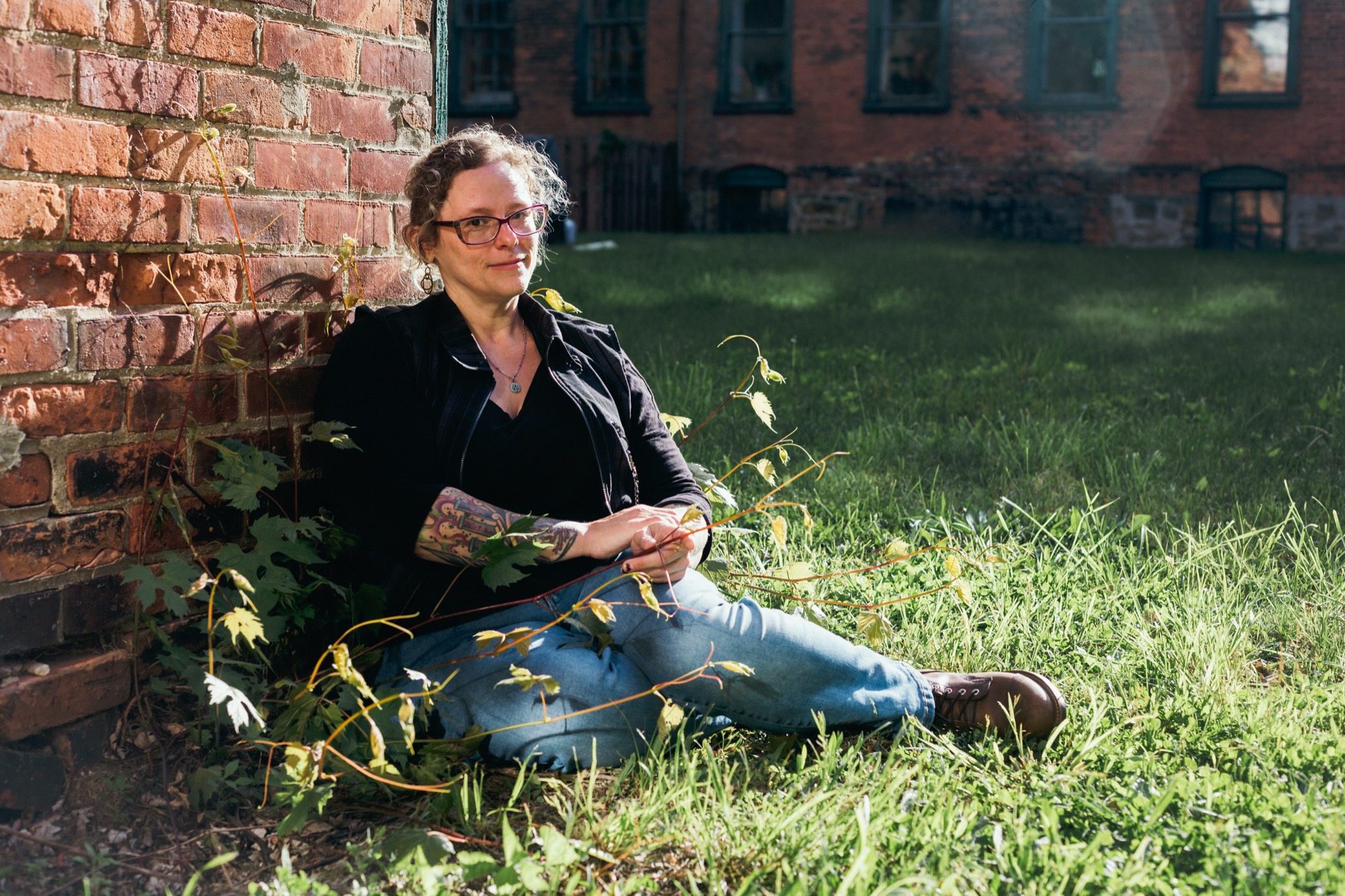
Just a few years ago, Jen Dixon couldn’t brush their teeth, let alone imagine being surrounded by community and creativity.
“I was agoraphobic for five years,” they explain. “Didn’t meet people. I was training for COVID before COVID.”
The isolation was deepened by chronic illness, pain, and years of battling to be seen—not just as a person living with disabilities, but also as a nonbinary creative with a past shaped by trauma and tenacity.
Today, Jen stands surrounded by microscopes, T-shirts, illuminated signs, handmade cellular art, and a growing circle of collaborators who genuinely believe in them.
“Right now, I think the real art is learning to trust myself again,” they say.
Jen’s path hasn’t followed any straight lines. They first studied computer programming while working full-time and caring for a terminally ill fiancé.
But after a near-death experience caused by a massive blood clot following a roller derby injury, they re-evaluated everything.
“I remember crawling across the floor thinking, ‘This is your last moment. Experience it,’” Jen recalls. “And after surviving that, cubicles just weren’t going to cut it.”
What followed was a dive into botany, volunteering at Iowa State’s herbarium, and eventually entering a PhD program.
Their love of science came with an endless hunger to understand.


“One of my professors said I was an artist with the soul of a scientist,” they say. “That felt true.”
Jen’s artistic practice came to life while teaching plant systematics in Iowa.
When a visually impaired student entered their classroom, Jen faced a challenge: how to share the microscopic beauty of cellular structures with someone who couldn’t see them?
That night, they created a clay version of a microscope slide and transformed invisible wonders into tactile art. If the student couldn’t see the cell, then they would be able to feel it.
“I don’t know how well it worked for her,” they say, “but for me, it unlocked something. It made me think: what if everyone could feel this beauty?”


From there, Jen’s art grew out of curiosity and constraint. While bedridden, they began sketching detailed cellular forms in Procreate, finding comfort in radial symmetry and microscopic inspiration.
Eventually, they started laser-engraving these intricate images into wood and velvet.
“I just wanted to see if it would work,” they say. “It was all experimentation.”
Jen’s art now includes protest T-shirts, building signage, velvet-burned botanical forms, and tactile pieces made of wood and reused materials.
“It all came from wanting people to experience wonder—even if they can’t see it the traditional way,” Jen explains. “There’s got to be a way to share that.”
Today, Jen’s studio is a living lab—a DIY playground of soldered lights, etched acrylic, scavenged pipe supports, and refurbished microscopes.
“Everything is a version one,” they laugh. “The next version will be better, but I have to start somewhere.”

Jen is now helping to build a community at The Sparks (formerly the Commercial Exchange), where collaboration drives creativity and progress.
From teaching others how to build and reusing materials to organizing artist showcases, they’ve found their voice again.
“I used to think I didn’t have any value unless I met society’s expectations,” they say. “Now I just try stuff. And it’s working. All these different paths in my life, they have all culminated into skills and work that’s relevant and useful.”
Even through lingering self-doubt and social anxiety, Jen persists – out into the sun and into an artistic team.
“I’m deciding how I engage with the world now,” they said. “I see the potential for the future, even if it’s scary. I catch the future out of the corner of my eye. And I’m scared to look right at it because it may disappear.”
“But right now? My future is possible.”
Follow Jen on Instagram
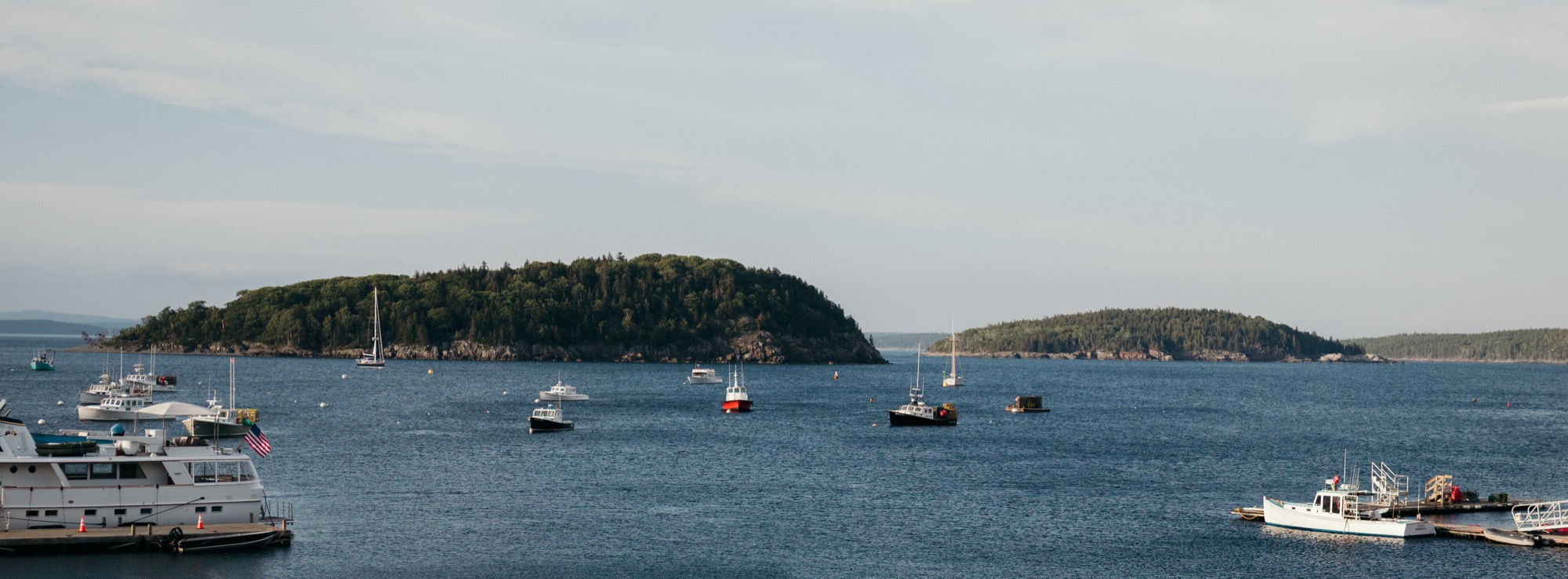
We had two opportunities to visit Bar Habor, Maine: one after we completed our Acadia National Park adventure, and the other was via a lobster boat ride.


Our first visit, after the park, was during a beautiful evening where the town was hopping with people and activities. It’s summer, so of course us tourists were out.
The shops and restaurants were packed, and the sunset light was perfect for capturing some street photography. I saw tons of colors and characters, the perfect recipe to grab pictures around the town.


When we came back, we hopped on a lobster boat for a tour of Frenchman Bay.
It was a great tour. We learned about lobsters, about the fishing industry, and even took a loop around a lighthouse, where seals were squatting on the rocks.
For the first time, we all got to hold a lobster. After grabbing them out of the lobster nets, the kids had a chance to throw the lobsters back into the bay.

Now I know, first hand, where those delicious lobster rolls come from.
Shot on the Canon EOS M6 and a select few EF-M lenses.
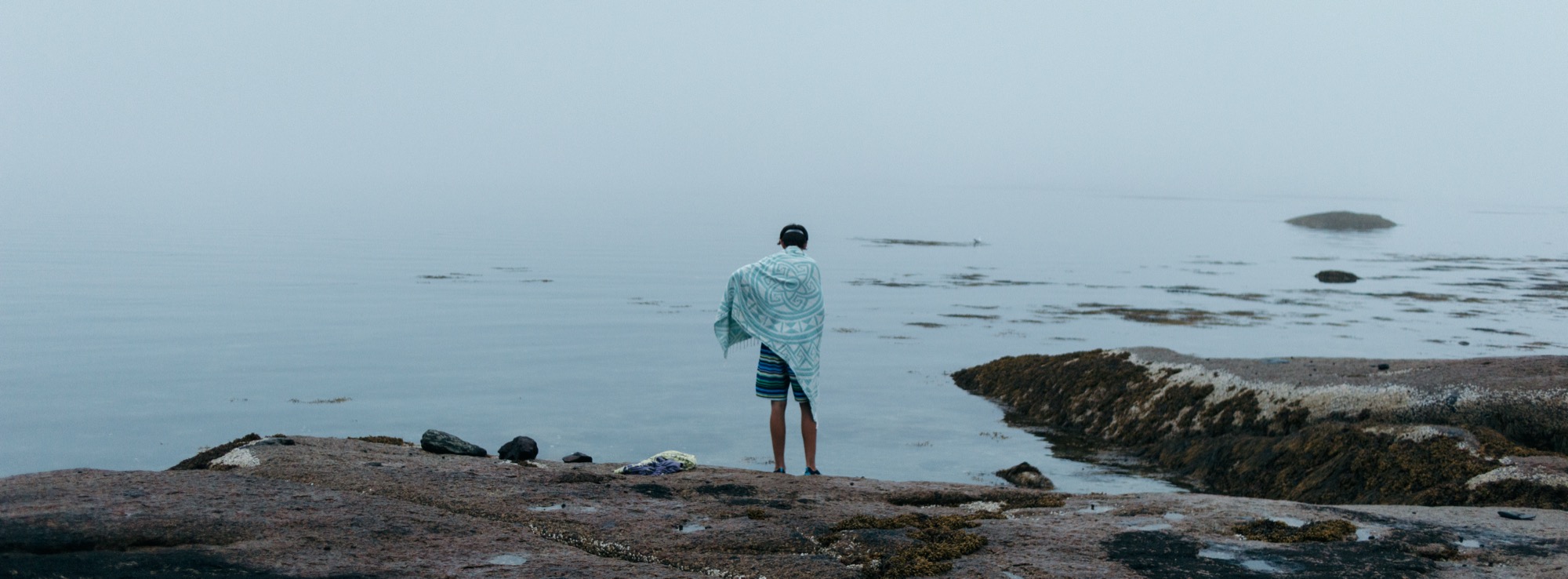
This is almost like cheat-code photography.
Much like we saw at Peggy’s Cove, sometimes the fog would roll in off the Atlantic Ocean and flood our little corner of Maine in a dense haze.


After the first time the fog rolled in, I made a point to check each morning to see if it was foggy out. I had this spot in mind up the peninsula, where boats were gathered by the shore, and I thought, “This would be an amazing foggy spot for pictures.”
One misty morning, the fog made an appearance, and I seized my chance to head up the coast and grab pictures at that boat landing. But then something funny happened: the further North I drove, the less foggy it was. When I landed at that spot, there was no fog at all.
Bummer.


Luckily, it was foggy enough during our week there that getting out and taking photos was not a problem.
It was so fun to wander around Flye Point and see the entire landscape reimagined.
Shot on the Canon EOS M6 and EF-M 22mm f/2 and 32mm f/1.4.
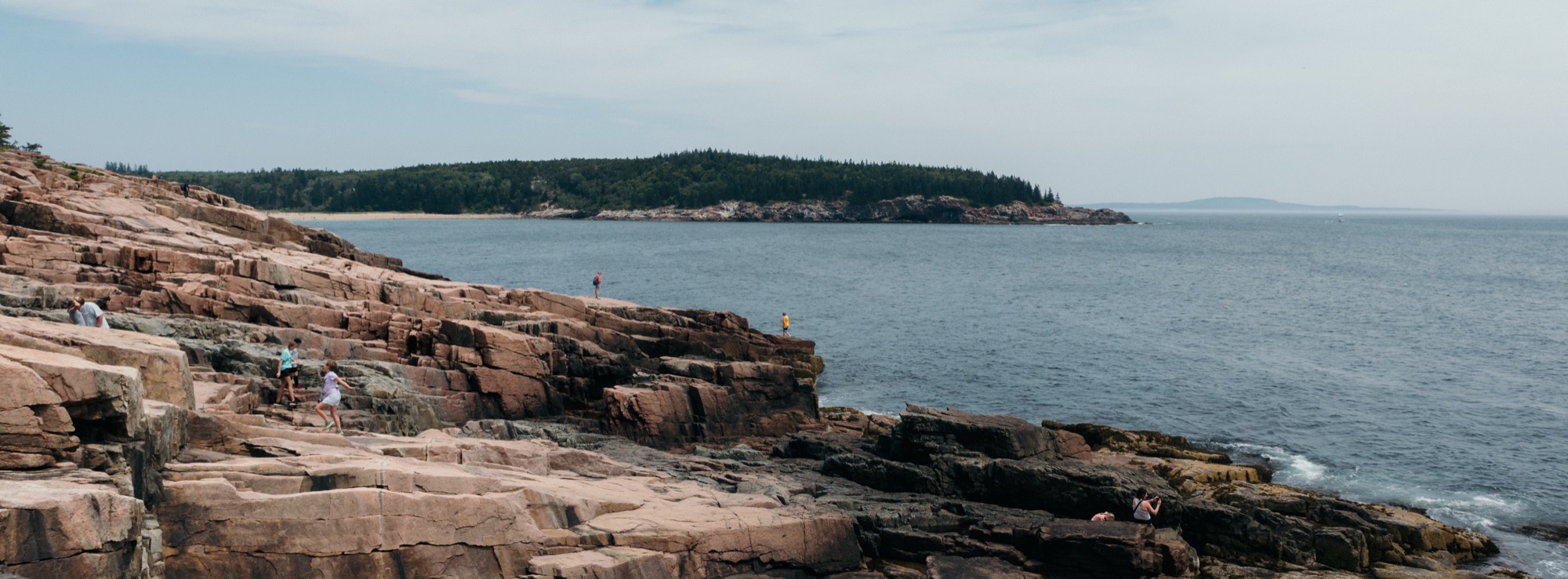
I had the chance to visit Acadia National Park almost 20 years ago. It’s where I climbed my first mountain, and I was excited to show off the park to my family.
Acadia is not the biggest national park, but for sheer variety, it has a lot to offer: great hiking, mountains, oceanfront scenery, with ponds and rivers galore.


The park helped me appreciate the benefits of Canon’s lighter mirrorless kit. When you’re hiking up and down mountains, the portability of the EOS M series was definitely a benefit. And the image quality never suffers.
It’s a shame Canon discontinued the M series. With the R series, cameras got bigger, lenses got bigger, and apart from a few of the APS-C and point-and-shoot bodies, there’s nothing like the M series in the lineup anymore. Trips like this highlight the need for a smaller kit.


We worked our way around the park and by mid-day, we finished up and headed into Bar Harbor, Maine, for dinner.
Shot on the Canon EOS M and the EF-M lenses.
After leaving Canada by way of New Brunswich and the border, we landed in Brooklin, Maine, our home for the next week.
We arrived at nightfall, so we had no glimpse of the peninsula where we sat.
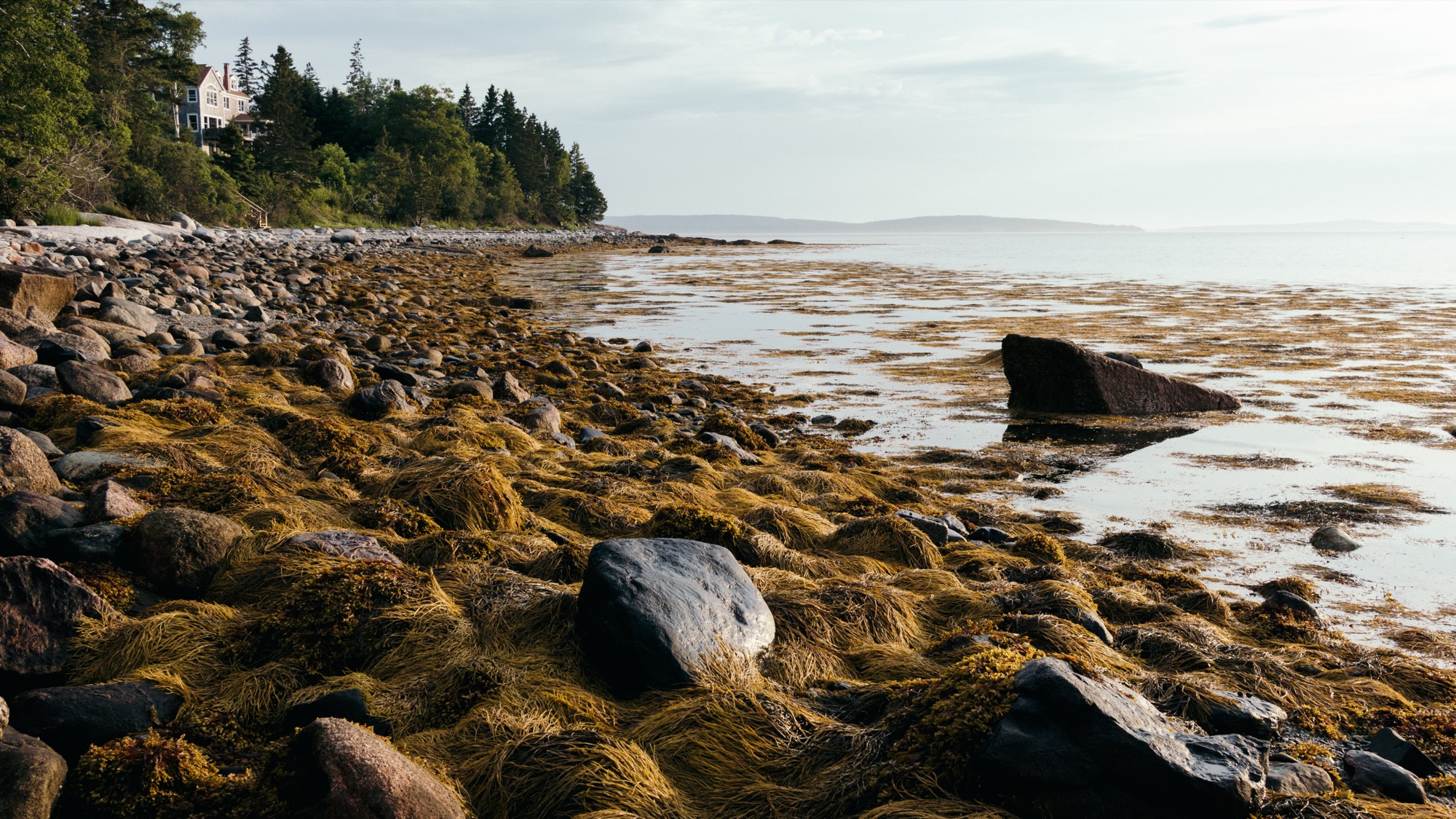
Not until I got up early the first day and went to the beach.

This was the Maine I remember. And for that first morning, I had it all to myself.
I did what I always tend to do and went exploring – up and down the coastline, through the set of cabins on this part of the shore, taking advantage of the early morning light.

Then the family woke up, and we explored the jagged, rocky beach together.


The tide was a new thing for us Michiganders. Here on the peninsula, we had to pay attention: there were several islands you could walk out to at low tide. But come high tide, you might get stranded.
And the bay’s ocean water, just like in Nova Scotia, was freezing. So we mainly played on the rocks.


Later that night, after dinner, we took a stroll back down to the coast to watch blue hour come in at high tide.
Maine was different. More rugged. A little more wild. And there was lots more to see.
Shot on the Canon EOS M6 and several EF-M lenses.
Up here, the locals call it “Carny.”
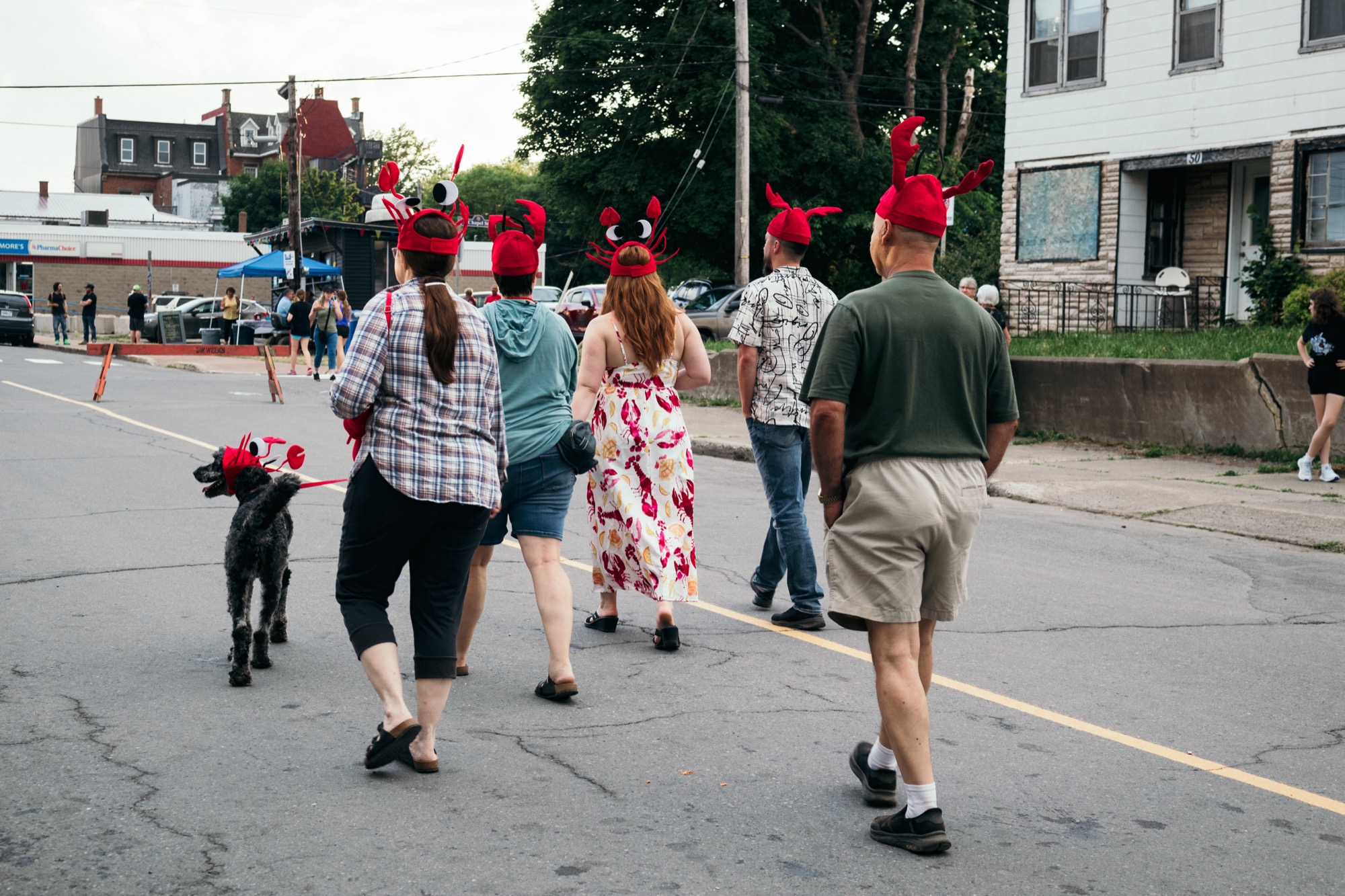
To us Americans, Pictou, Nova Scotia’s Lobster Carnival was nothing short of a wonder.


Pictou is a small town. But walking around on the last day of our Canadian trip, you’d think the whole town had turned out. And why not? On the East Coast, lobsters are a big deal.
Pictou made them a big deal.


A mini fair, with rides and games, a concert in the park, and one of the best lobster rolls I had so far this trip – Carny had it all.
We couldn’t have picked a better way to say “goodbye” to Canada.

Before we left town, we stopped and had ice cream. Tomorrow? Through New Brunswich and on to Maine.
Shot on the Canon EOS M6 and EF-M 22mm f/2 and 32mm f/1.4.
Imagine a New England state-size island, full of its own little towns and natural wonders, and that’s Cape Breton – off the eastern coast of Nova Scotia.
It was a bit of a drive to get there, but boy, it was worth it.


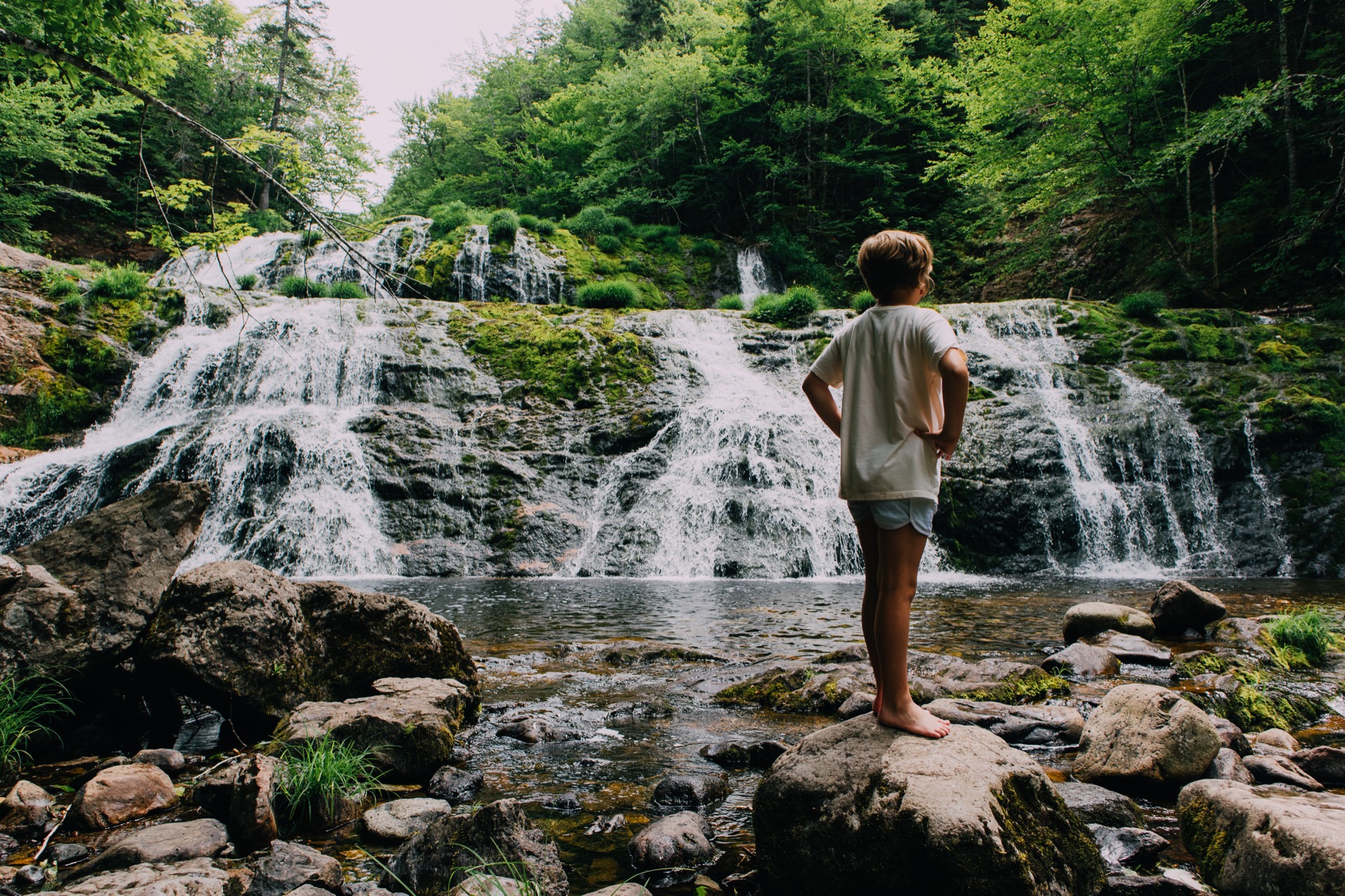
First, we took some nature trails and discovered Egypt Falls along the western section of the island.
For the kids, it was a grueling hike up and down the trail. But at the bottom? One of the most beautiful waterfalls I’ve ever seen.
After Egypt Falls, we hiked the Lewis Mountain trail, a hidden gem behind a set of power lines. To get there, you take a lovely drive around Bras d’Or, the large inland body of saltwater.

The trail, a gentle incline through a beautiful northern forest, followed a stream where (I’m proud to say) my family took a swim.


Driving around the island, there was plenty to see.


To close out the trip, we had dinner in Baddeck, where I couldn’t resist eating an entire lobster.
Shot on the Canon EOS M6 with the EF-M 22mm f/2 and kit zoom lenses.
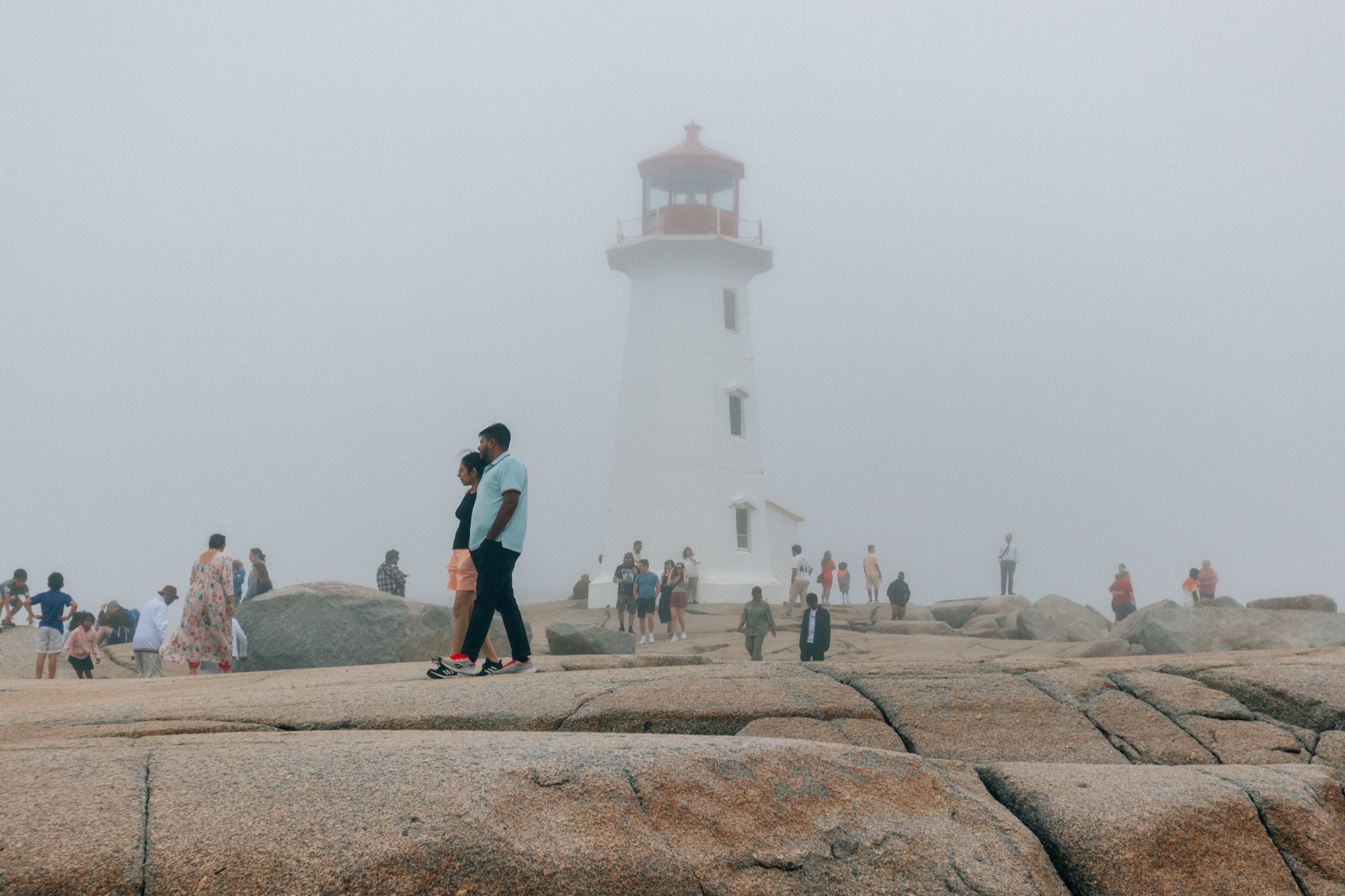
After our Halifax adventure, we took an hour’s drive to the famous Peggy’s Cove.
As we approached the shore, we noticed the fog rolling in off the Atlantic. This would be a theme for our vacation.


It was certainly a vibe: a rocky, jagged coast, a little fishing village, and not much visibility. We could barely see the lighthouse from the parking lot, but the visibility improved the closer you got.
Reds and greens. Blues and teals. Here, colors popped out of the fog.


Driving from the coast, we made a few stops along the way to see what else the fog was hiding.
Some of it? We couldn’t see. It’s still a mystery.
Sometimes, photography is like that.


Shot on the Canon EOS M6 and EF-M 22mm f/2.
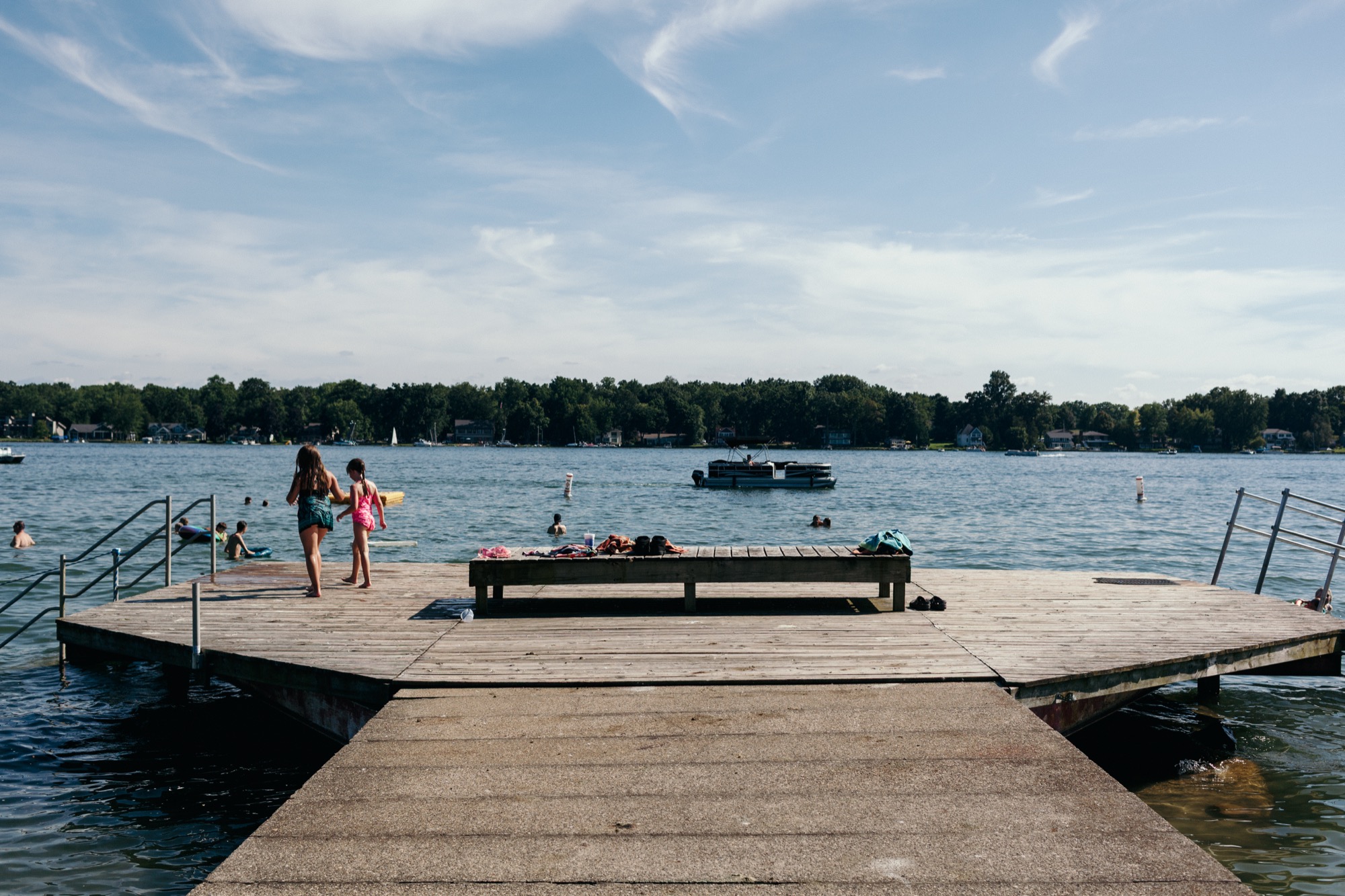
Here in Brooklyn, Michigan, where I grew up, you can’t spit without hitting a lake.
Clark Lake is the popular one, especially at the members-only Consumers Energy Boat Club. A few friends invited us to spend a warm summer Sunday by the beach with them.


Shot on the Canon 5D Mark II and EF 40mm f/2.8.
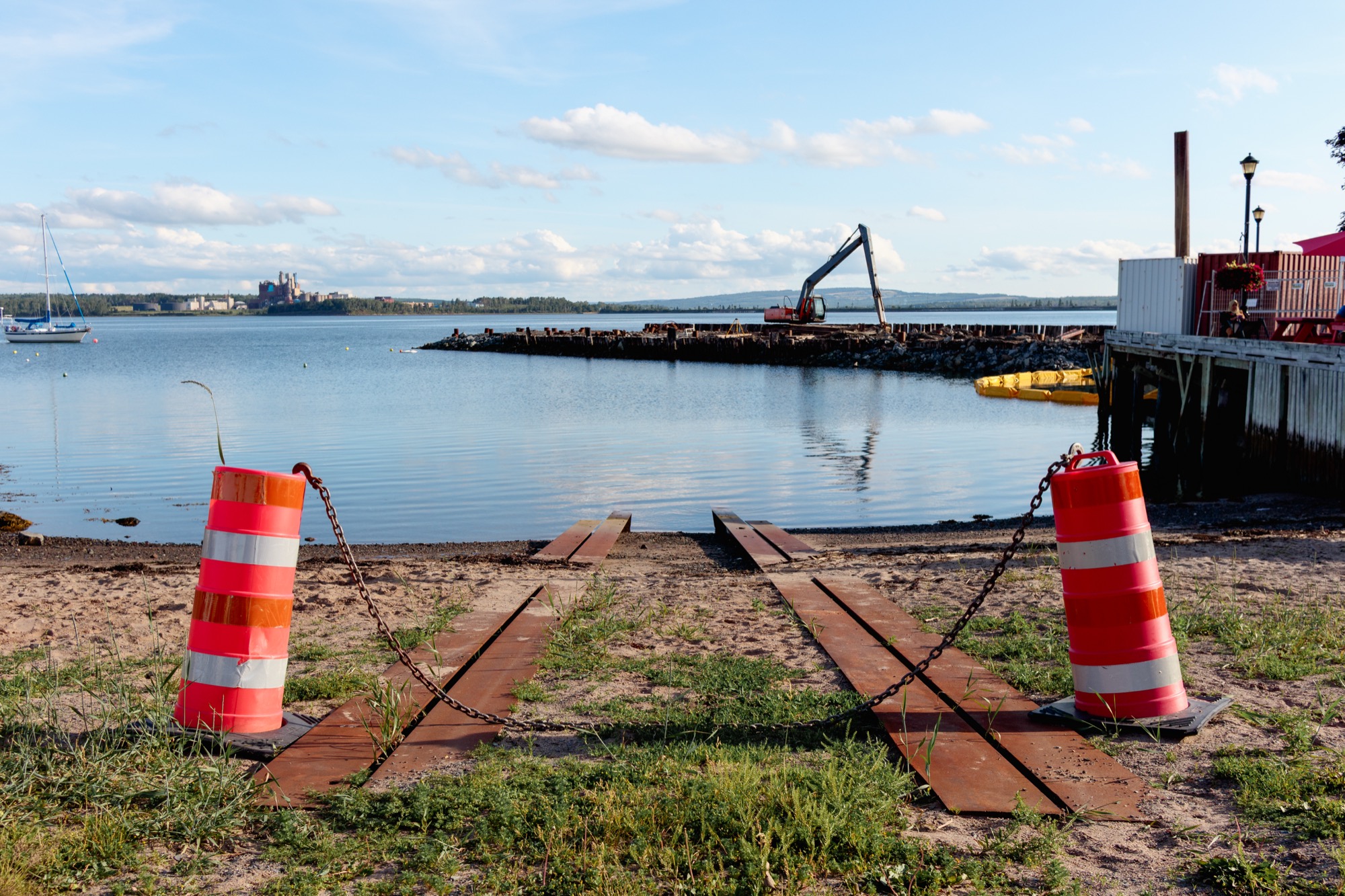
After Rushtons Beach, we drove into Pictou, Nova Scotia, for dinner at a little seafood place by the water.
We also learned that, later in the week, Pictou would host their annual Lobster Carnival.
Guess we’ll be back on Friday, won’t we?


On the drive back to the cabin, we caught a killer sunset along an inlet.


Shot on the Canon EOS M6 and EF-M 22mm f/2.
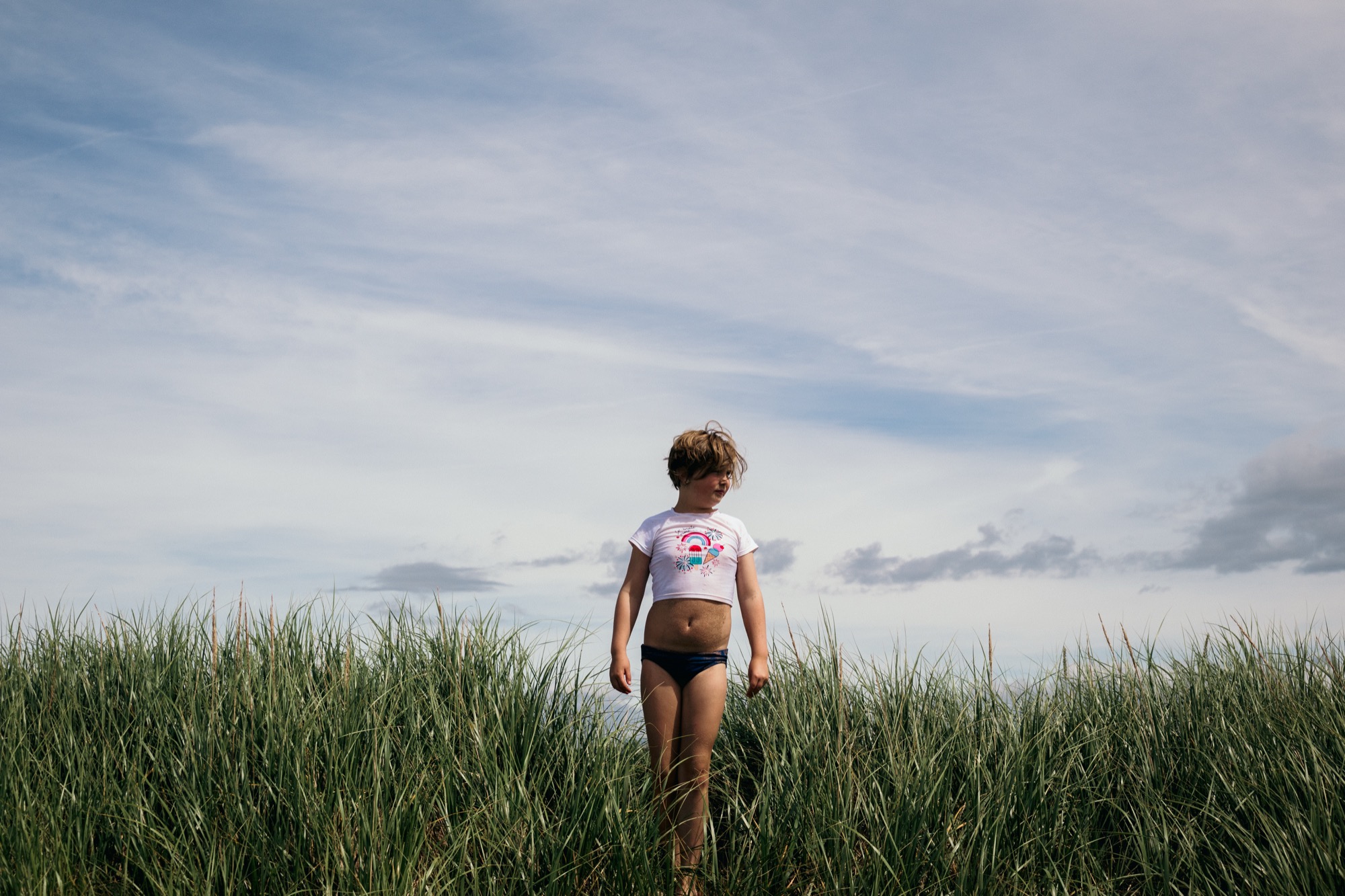
Swimming in the Atlantic Ocean was new enough for our kids. But swimming in the northern Atlantic?
That water is cold.
The frigid ocean didn’t stop us, though, at Rushtons Beach, a scenic, sandy beach on the north side of Nova Scotia.


We spent half of the day relaxing on the beach. For the other half, we explored one of the rivers flowing into the Atlantic. The kids discovered you could tiptoe across the water to the near shore.
I took the boardwalk and went to explore around the provincial park a bit.


After brushing the sand off, we went into Pictou for dinner and ice cream.
Not a bad first day exploring the Maritimes.
Shot on the Canon EOS M6 and EF-M 22mm f/2 and 32mm f/1.4.
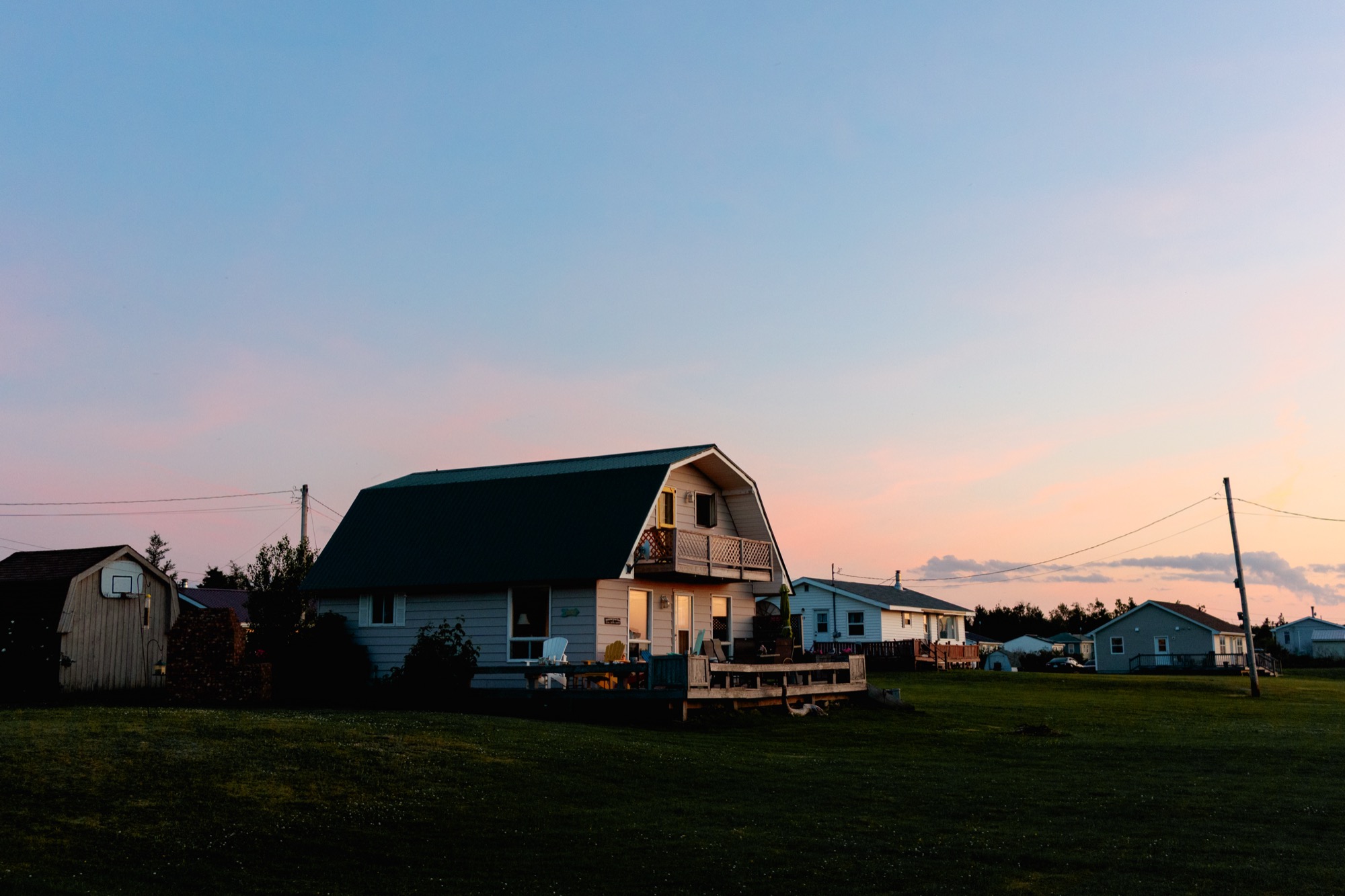
The first leg of our two-week vacation was along the north shore of Nova Scotia, in a little town called Marshville. It was a total throw-a-dart-at-a-map-and-hope-it-works-out location.
It totally worked out.


We’re an AirBNB/Vrbo family, and we try to get cabins on the water. This one was close enough – a short walk down a drive, then a set of stairs down a bluff, and we were oceanside.
The neighborhood was filled with quaint sea cottages, many of which proudly displayed their Canadian pride.
As always, I took the first day or two to explore the cabin and the neighborhood, exploring the light where I could find it.


Marshville was a good launching point for all our adventures. We had plenty to see along Nova Scotia’s North Shore, and it was centrally located to easily make our future drives to Halifax and Cape Breton.
Every morning, the kids watched the tide ebb and flow. And every evening, we went down to the beach to see the sunset.


We saw the ocean in California last year, but not like this – not every day, and not this close to shore. After the kids overcame their fear of the little brown jellyfish and embraced the cold northern water, the ocean became part of their spiritual rhythm.
The Canon M6, paired with either the EF-M 22mm f/2, EF-M 32mm f/1.4, or the M kit zoom, made for a light and satisfying travel kit.
We spent our first evening getting to know the place. The next day, we’d travel to a local beach to really take in the ocean view.
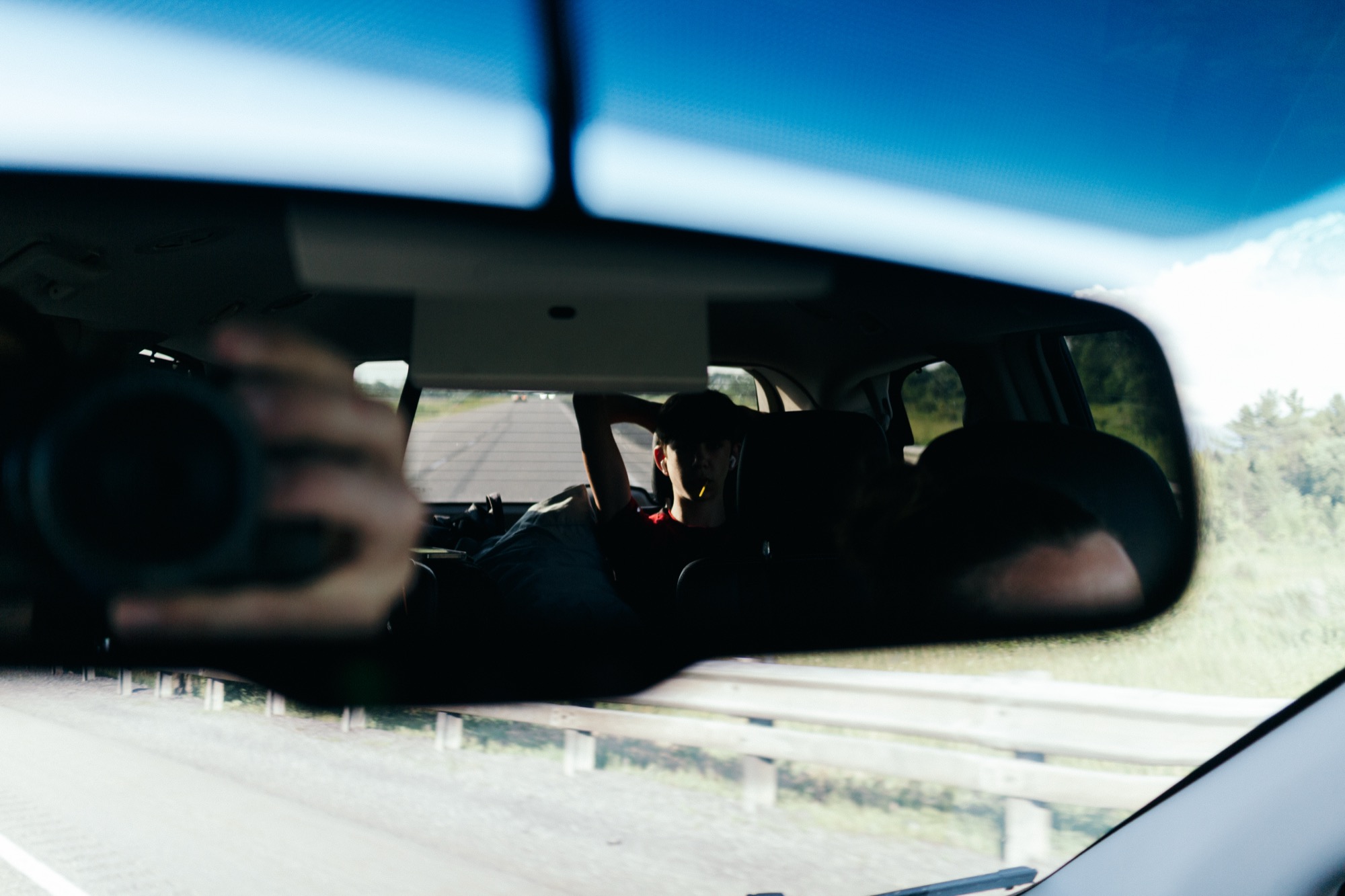
All of our summer vacations have lasted a week. Weekend to weekend, about 9-10 days max. This year, we tried something different: taking a two-week vacation out East.
We hit the road in late June for an epic road trip to the Atlantic Coast – first to Nova Scotia, Canada, for one week, then to Maine for the second week.

To get there, it meant driving 20 hours through Ontario, Quebec, New Brunswick, and finally Nova Scotia to our first cabin. We split the drive in half, staying overnight in Trois-Rivières, Quebec, at a lovely hotel on the St. Lawrence Seaway.
I took six years of French in high school and college, so it’s been a while since I spoke it fairly fluently. It was pretty humbling to walk into a gas station on the edge of Trois-Rivières where the checkout team spoke nothing but French.
Petrol, s’il vous plait?

Quebec was a brief stop on the way, but it is a huge Canadian province, and most of our driving ran along the St. Lawrence until we hopped over the river in Quebec City and then on through New Brunswick.

This is the first in a series of posts outlining our big summer adventure. I brought along the Canon EOS M6 with a full kit of EF-M lenses. I also kept the Canon EOS M in the car for road photos, and the few you see above in Trois-Rivières.
An epic road trip to the East Coast sporting the Canon M line. Lots more to come.
Shot on the Canon EOS M and EF-M 22mm f/2.
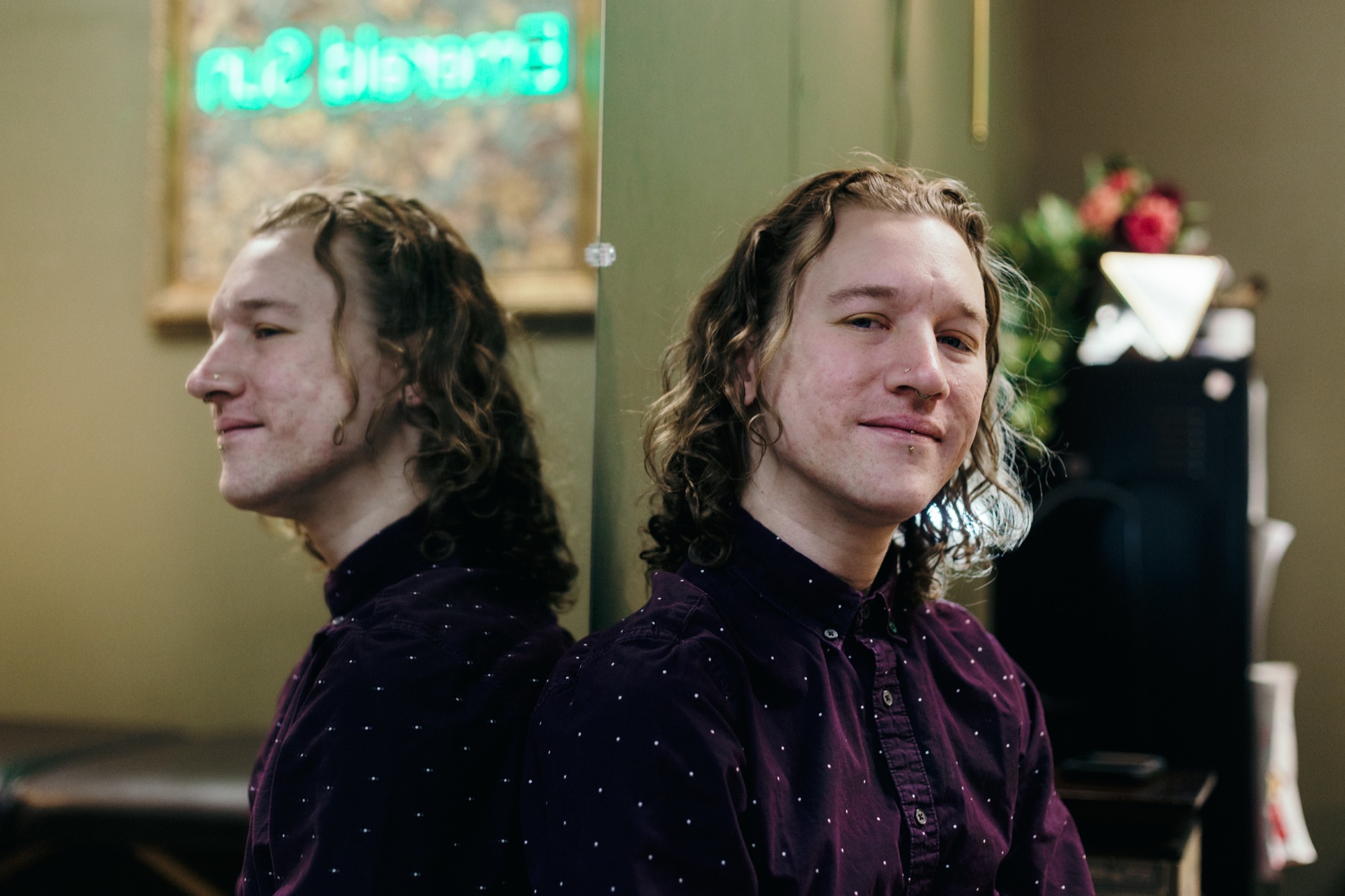
Inside the welcoming walls of 21 Blooms Tattoo Studio, Dylan Sodt (he/they) is quietly reshaping how people see themselves, one piercing at a time.
Dylan is a piercer, but that barely scratches the surface. For them, piercing is not just a form of body modification. It’s a practice of empowerment, trust, and transformation.
“I can build a little home with people in 30 minutes,” they say. “It creates a ritual environment. It’s an energetic exchange. They’re trusting me—and that’s when I think I have the best job.”
Born and raised in Jackson, Dylan’s path to piercing was anything but linear. He started by sketching the human figure as a kid and later found creative expression as a drummer in local bands. For much of his adult life, Dylan worked in restaurants, eventually managing the bar and kitchen at Sandhill Crane Vineyards. But even while building menus and leading teams, a deeper pull was growing.
“I hit a point where I needed something new,” he recalls.
Just two days after leaving the vineyards, he began a piercing apprenticeship.
“Piercing found me,” Dylan says.
 That leap of faith led them into a world where artistic intuition and technical precision are inseparable. Their practice is steeped in anatomy, geometry, and material science.
“It’s engineering on a smaller scale,” Dylan says.
Before he started working with Lauren Maureen of Emerald Sun Studios, Dylan had to start at the beginning: an apprenticeship.
Apprenticeship is the cornerstone of ethical piercing, and Dylan’s journey was a slow and deliberate one.
“You don’t even touch a needle for months. You learn the biology of wound healing, jewelry angles, and sterilization.”
But even more than technique, piercing is about people. Dylan specializes in body reclamation: helping those who have experienced trauma, abuse, or body dysmorphia reconnect with themselves.
“I want clients to feel more empowered when they leave here,” they say. “I’ve had clients squeal when they see themselves in the mirror. That sound? It means everything.”
Their work is artistic and deeply personal. Dylan observes each client closely: how they dress, carry themselves, the undertones of their skin, hair, and eye color.
“I have 30 minutes to clock your style,” he says. “It’s like painting on someone else’s canvas. Then it walks out the door and lives a whole life.”
From simple lobe studs to advanced curated ear setups, every piece is placed with aesthetic intention and precision measured in millimeters.
“We have to create the illusion of symmetry. If it’s off, people will feel it. Others will notice.”


Empowerment doesn’t come without responsibility. Dylan sees self-confidence as a professional obligation.
“You need a god complex to do this work—not arrogance, but self-respect,” they say. “You have to put clients at ease. There’s no room for shaky hands.”
They draw on Buddhist practices like breathwork and meditation to stay grounded and present, offering their clients not only a piercing, but also a moment of calm and clarity.
Outside the studio, Dylan finds creative joy in cooking—“an art form that doesn’t belong to me,” they say. “It’s all colors and flavors, and then it’s gone in 15 minutes.”
They surround themself with earth tones, thrifted treasures, and houseplants, always seeking to breathe new life into the old. That ethos flows directly into their work.
“What I do gives people a new image of themselves,” they say.


At 21 Blooms, Dylan has found a creative home. The studio, owned by Emily Radke and envisioned as a hub for full-time piercers, is more than a workplace.
It’s a collaborative sanctuary.
“We push each other here,” Dylan says. “We talk through designs, hold critique nights. There’s a vulnerability in that, but it makes us all better.”
For them, the studio is also a commitment to raising the standard in Jackson.
“This city deserves a proper piercing space. If you get pierced by me, I consider you a client forever. I’m an island of proper piercing.”
Looking ahead, Dylan is pursuing certification with the Association of Professional Piercers (APP), a national standard of excellence in the field.
“There’s no ceiling in this work. You can always get better,” they say.
From the restaurant floor to the piercing chair, and no matter their tools, Dylan has always been in the business of care.
“I’m in service of an idea,” they say. “That people can see themselves differently. That they can walk out of here and feel like they belong to themselves again.”
Follow Dylan on Instagram

Do you know that thing with film cameras where it may take you weeks, months, or even years to shoot a whole roll of film?
And then you get the film photo printed, and it’s like rediscovering everything you photographed over that time period?
I do that on my digital cameras, too. I have my front-seat camera, the Canon EOS M, and my around-the-house camera, the Canon 5D. Sometimes, I’ll go weeks without importing the photos into Lightroom. There’s no rush, so I let the images collect on the card.
That time and distance help me evaluate whether I like the pictures or not. So does forgetting about photos in my Lightroom catalog. I can go years without looking at some photos, and then I look through my catalog and remember moments, scenes, trips, and light.
The trick is to actually look back at your archive and see what’s buried there.
You might discover a lost gem or two.

It’s hot.
Nothing like going from sweatshirt weather to 90 degrees F within a week.
I took a walk around the yard to catch that golden summer light that lasts and lasts.


Shot on the Canon 5D mark II and EF 40mm f/2.8.

We managed to get away for our 10-year wedding anniversary.
It was chilly for the last weekend in May, but we returned to two of our favorite spots near the Lake Michigan coast: Virtue Cider in Fennville, Michigan, and The Kirby Hotel in Douglas, Michigan.


Virtue was one of my early “holy crap” ciders, where I took a chance on a six-pack of cans and was blown away.
Now we come back to taste the new ciders, grab a snack, and head outside for some acoustic guitar.


We came to the Kirby on the coldest day of 2022, after the wassail celebration at Virtue Cider was cancelled because of the weather.
It was fine by us, because that winter, we had the place almost to ourselves and we got to chat with the chef and operator about their historic hotel.
This time, the house was packed for dinner, and we had several guests in the hotel. But the next morning, for breakfast? Just us and the chef again.
I love finding little places like this, where you become a regular and get to know the staff.
Shot on the Canon M6 and EF-M 22mm and 32mm lenses.

In my latest YouTube video, I test out several film-like Canon Picture Styles to see which of them can give Canon photographers that Fujifilm-like simulation experience.
Preslav Rachev left a comment asking for feedback on a Picture Style he recently developed, Cinematic Color Negative, and offered it up for a free trial.
Last weekend, I loaded up Preslav’s filmic emulation onto my Canon M6 and shot for an artist friend of mine at his Steampunk on the Bricks event here in Jackson, Michigan.


Overall? It’s good. I like the colors and contrast – it fits my style of shooting nicely.
The reds pop, and the greens are muted. That’s just what I’m looking for in my Canon film simulations. And in good lighting, skin tones are natural.
However, testing it out on our new baby niece, and in mixed lighting, the skin tones were a bit overpowering:

Everyone else’s skin tones looked okay, but poor Baby Iris. She got the neon orange treatment. It could be a combination of jaundice and a reddish skin hue.
The baby is an outlier. For the most part, Preslav’s Cinematic Color Negative Picture Style worked well over a weekend of shooting.
A few more RAW vs JPG shots for comparison (RAW is on the left):


My eye notes the subtle desaturation of the greens and blues. The top comparison makes that clear with the plants and the blue sky.
The bottom comparison is a little more subtle: contrast is up, and the house appears whiter in the JPG. Again, the sky in the back loses a bit of blue. Whites are whiter, blacks are blacker – both help increase the contrast.
Head to Gumroad, throw Preslav a buck or two, and try out Cinematic Color Negative yourself (and check out his photography too).
Thank you, Preslav!

This is an old neighborhood in Jackson, Michigan.
Here on Wildwood Ave and Edward St, behind the public high school, you can sense the age in the size of the homes and their proximity to downtown Jackson.
It’s quiet. A little under construction. And here on a sunny day in early May, there’s plenty to see.


Shot on the Canon M6 and EF-M 28mm macro.

It’s tough for me to make photos in cloudy conditions. I rely on sharp, dramatic sunlight for much of my work.
But here, on the northwest side of Jackson, Michigan, I gave it a good go around the Hibbard and Hallett Street neighborhood.
Instead of capturing light, I did my best to capture interesting settings, objects, or colors. If nothing else, it’s good for me to exercise the non-contrasty photography muscles.


Shot on the Canon M6 and EF-M 28mm macro lens.


