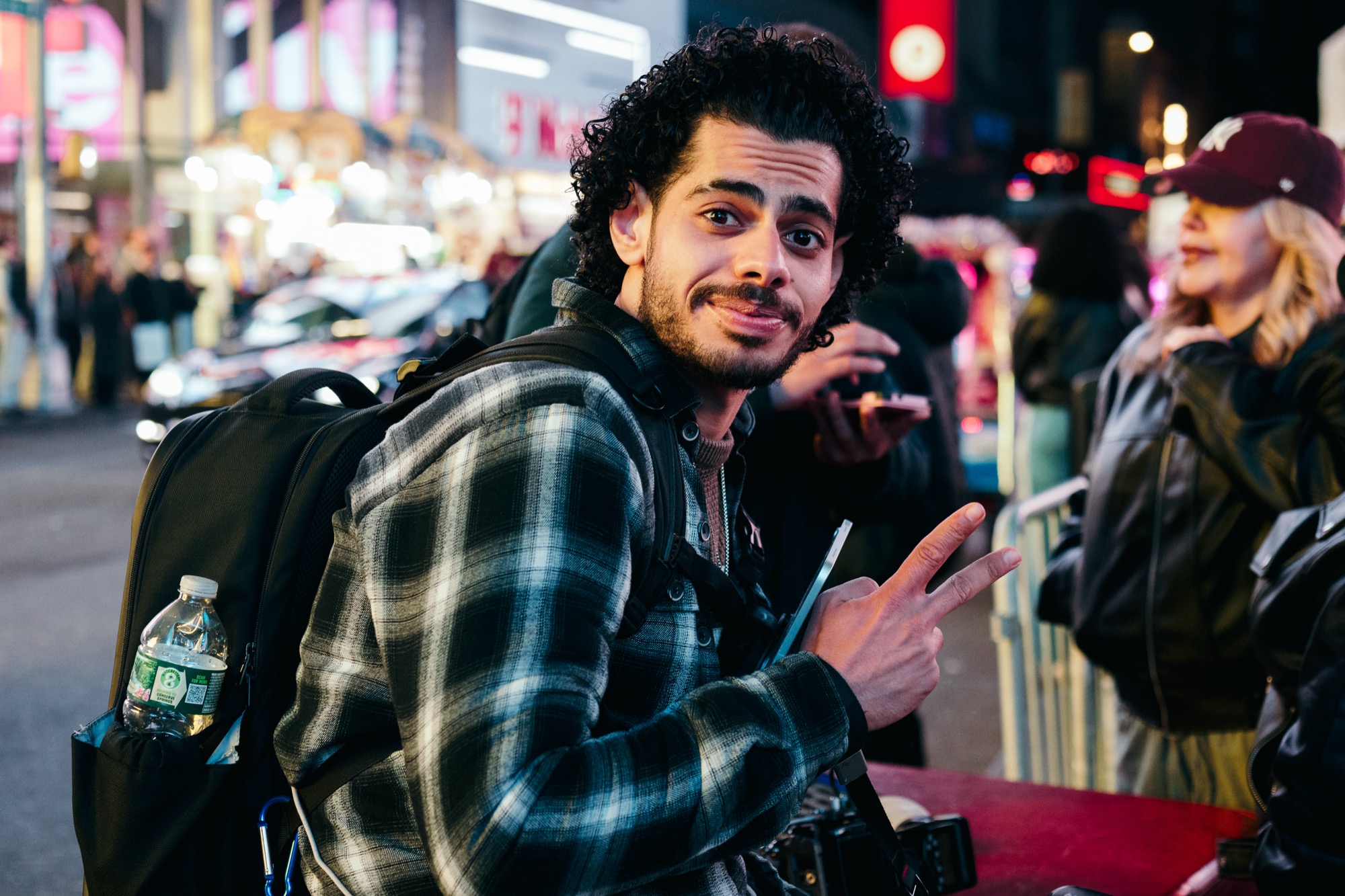
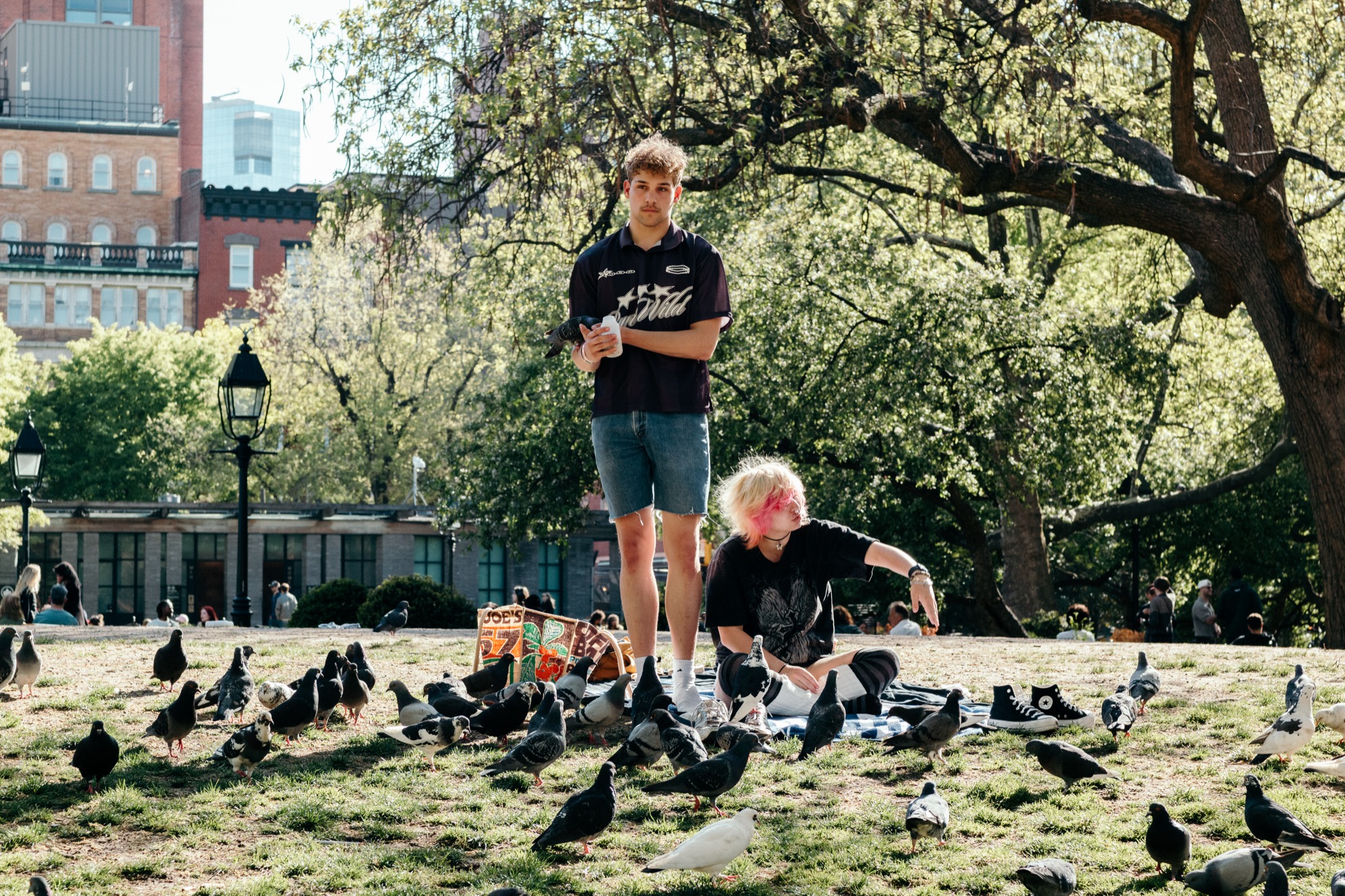
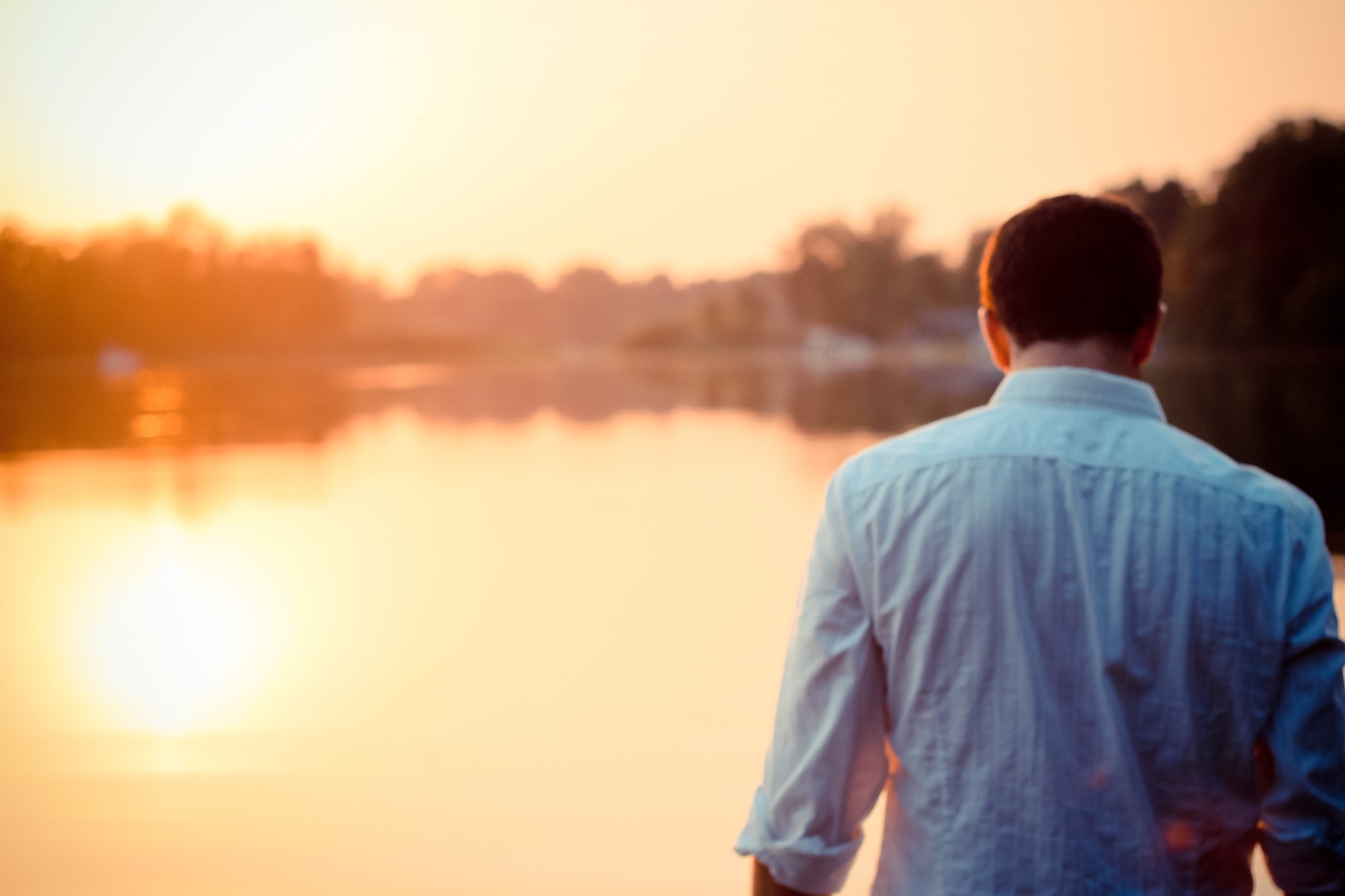
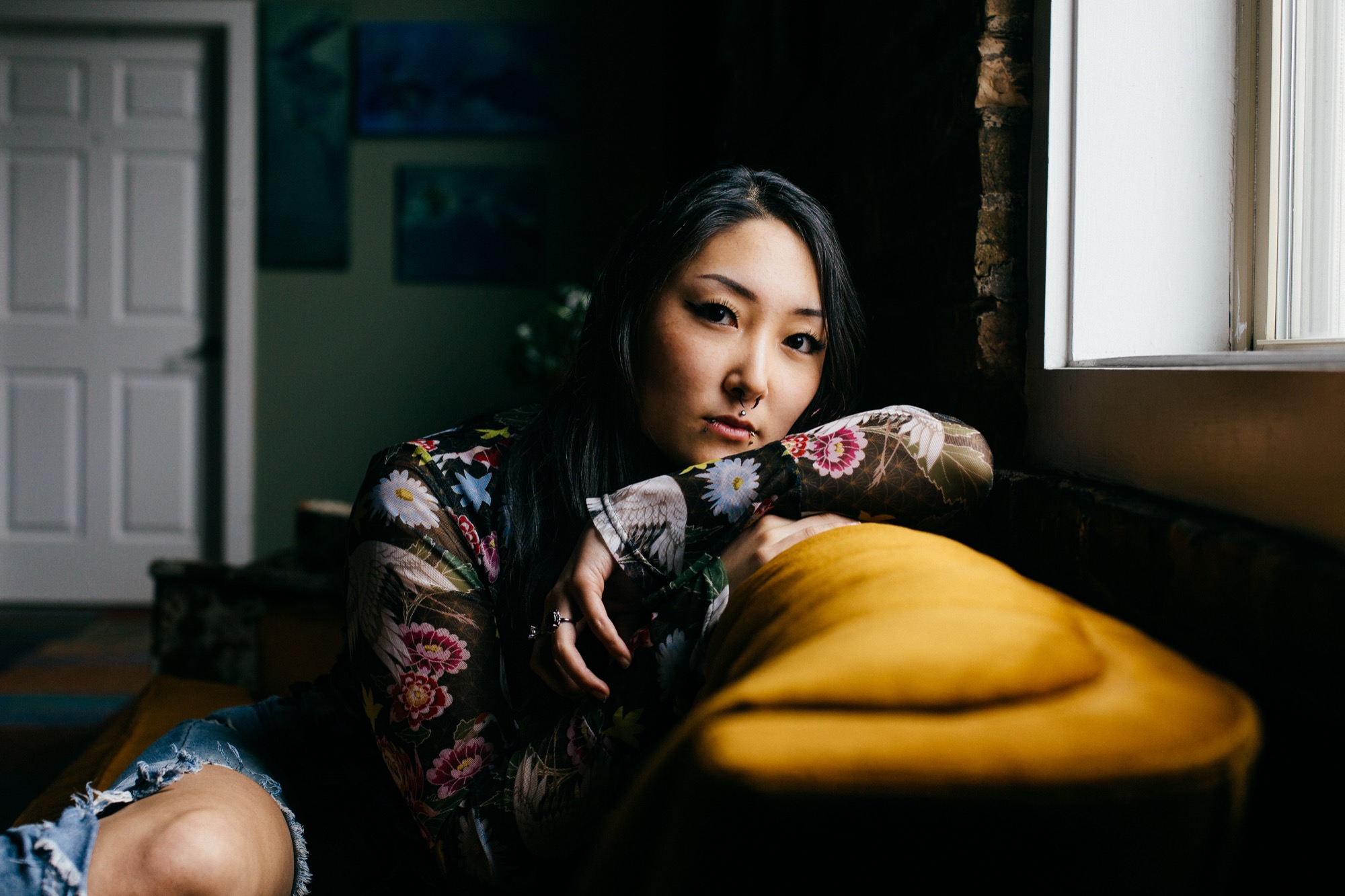
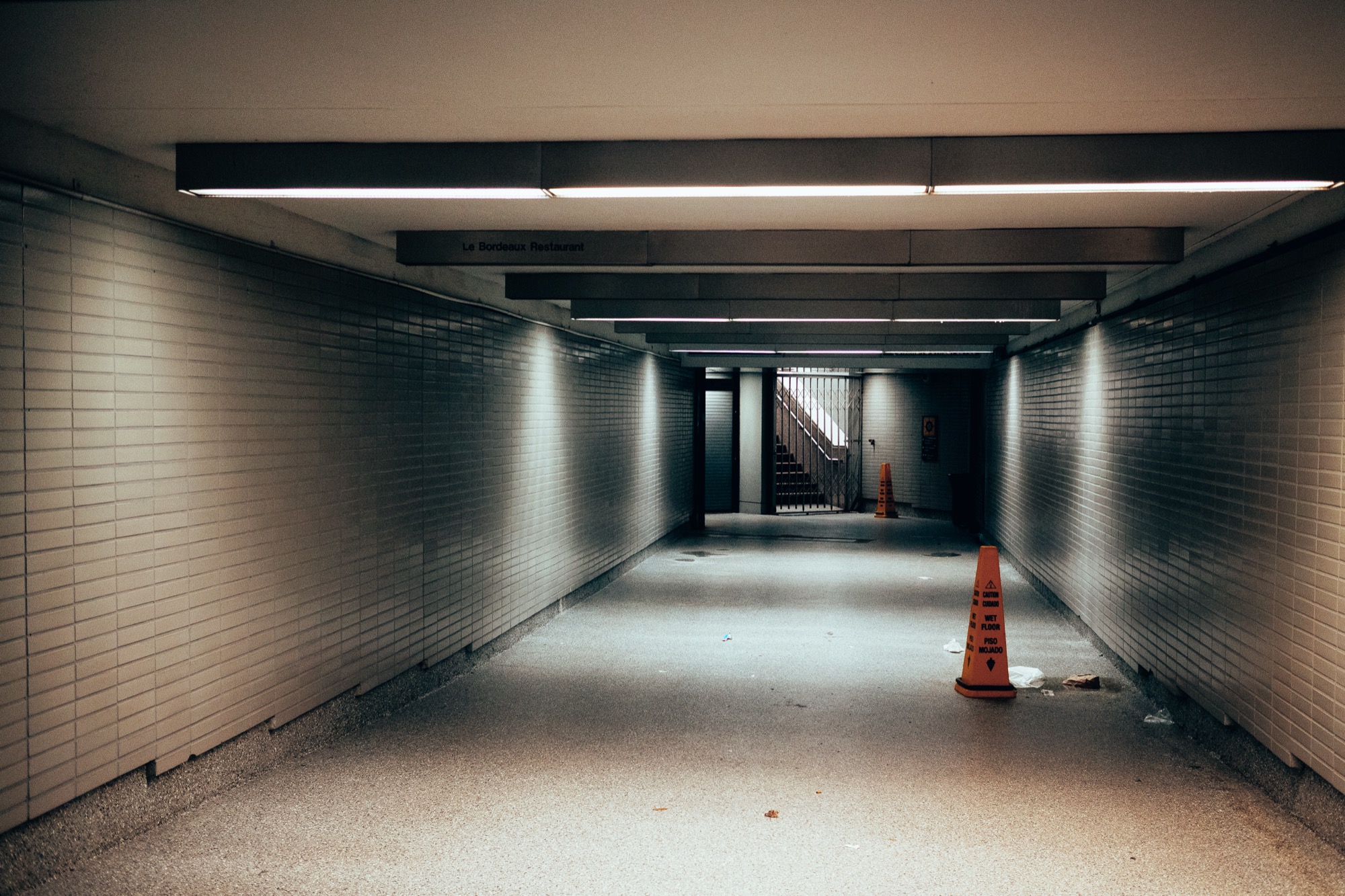
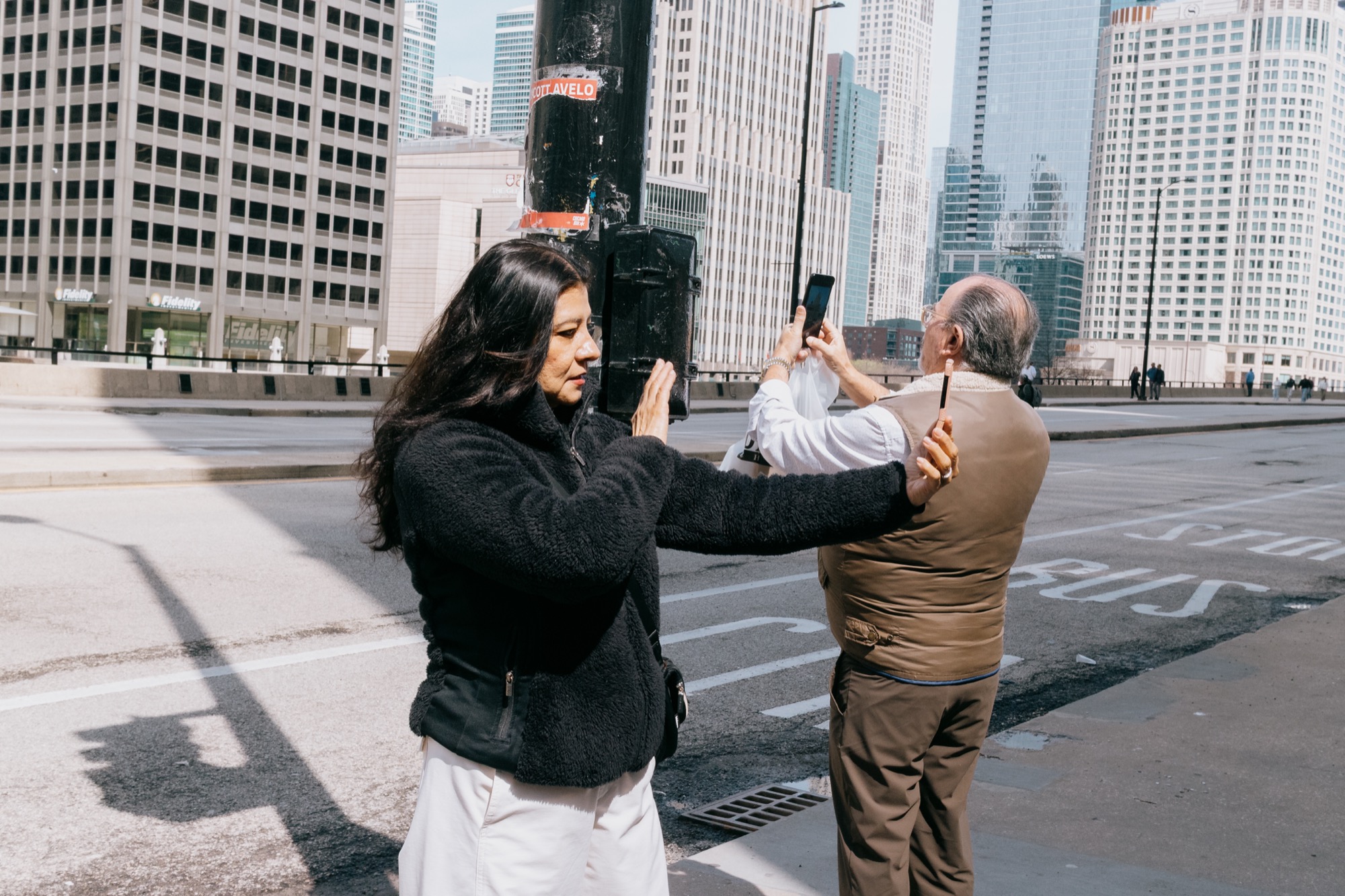
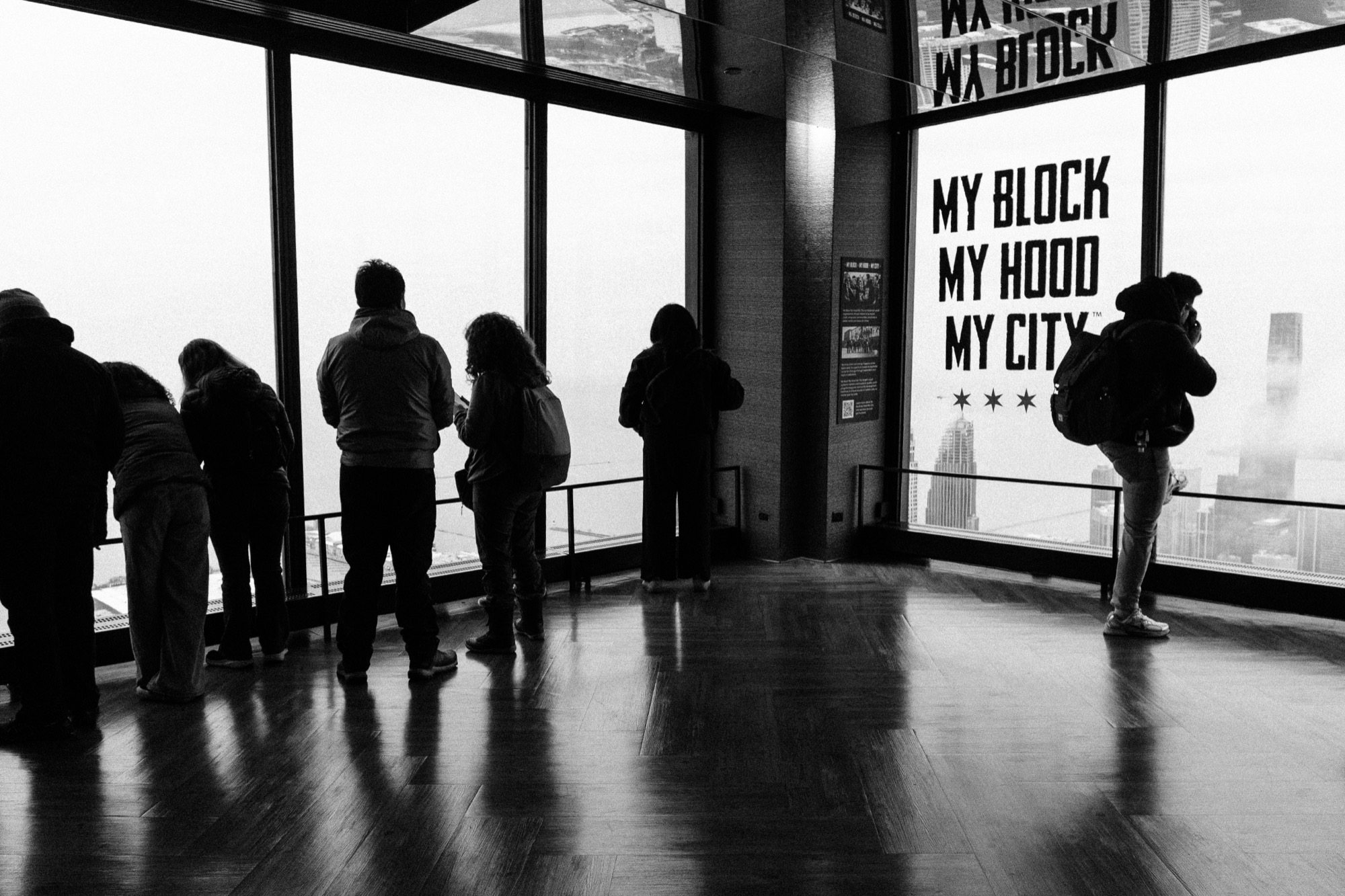
The latest stop on our Canon Picture Style voyage: Agfa RSX II.
One (of many) limitation of Canon’s Picture Style system: a lack of control over highlight and shadow tones. White balance is up to the camera, so you don’t have much control over color grading. Individual color HSL settings, levels, contrast, and sharpness – that’s about all you can adjust.
Unlike Fuji’s more fine-grained approach to film simulations, Canon’s system lacks both the film legacy and customization options.
What you end up getting is slight variations on a theme.
Agfachrome RSX II is a diverse positive film, a little soft and dreamy, but with a punch of contrast. The colors are vivid and true-to-life without being overwhelming, which made it a versatile choice across different subjects (it’s been discontinued for years now).
On Canon cameras, this Agfa Picture Style is…fine? It works. There’s nothing offensive about it.
But like many of these Canon film emulations, there’s nothing special about it, either. You don’t look at it and think, “Wow, that’s an accurate, useful positive film emulation.”
It’s nice that the skin tones are good, it has a touch of contrast, and yet it retains the slightly warm, soft look that the classic Agfa RSX II had. Muted greens. Saturated reds.
This Picture Style has been another all-purpose one for me (much like the Kodachrome Picture Style): flexible enough to fit my style and applicable in most situations. If you’re a JPEG shooter, you could use this as a reliable film emulation.
But like all these Canon Picture Styles, don’t expect Mastin-, RNI-, or VSCO-levels of film emulation.
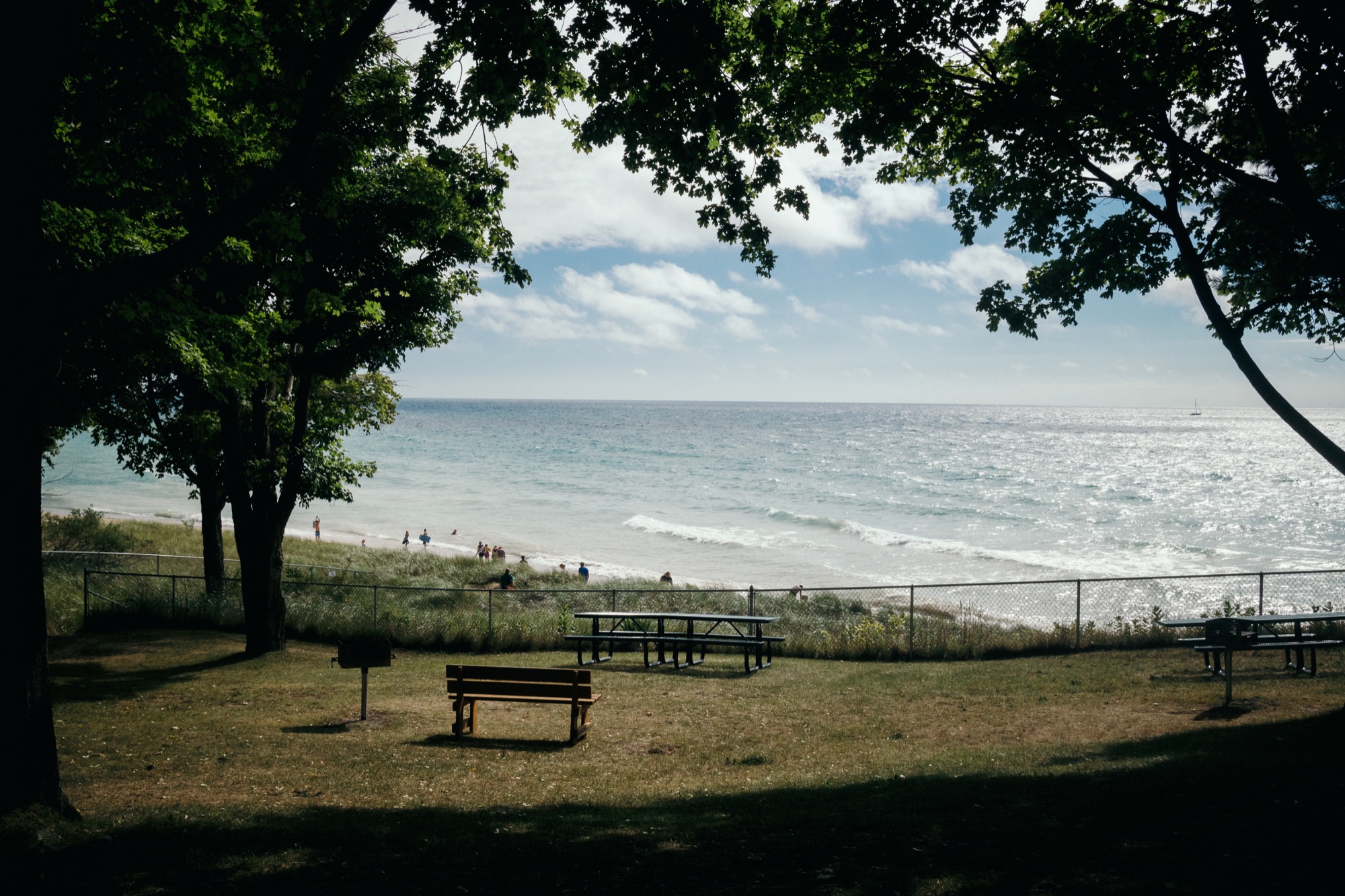
For our family, summer means trips to Lake Michigan. In two hours, you can be right next to one of the world’s great bodies of fresh water.
Summer also means Pentwater, a little west coast town in Michigan that we frequent – either visiting family friends or participating in our church’s summer camp.
Pentwater is a classic Lake Michigan town: busy during the summer, but unlike some of the towns to the south, it retains its small-town charm.
And then, just outside of town, you get these quaint Lake Michigan beaches and fish stores – perfect for a family picnic.
You can’t miss when visiting these little western Michigan towns. Just ask all the Chicago residents who travel this way in the warmer months; their Chicago Bears bumper stickers give away their hometown.
I try to follow a variety of photographers (and styles) on social media, Flickr, etc.
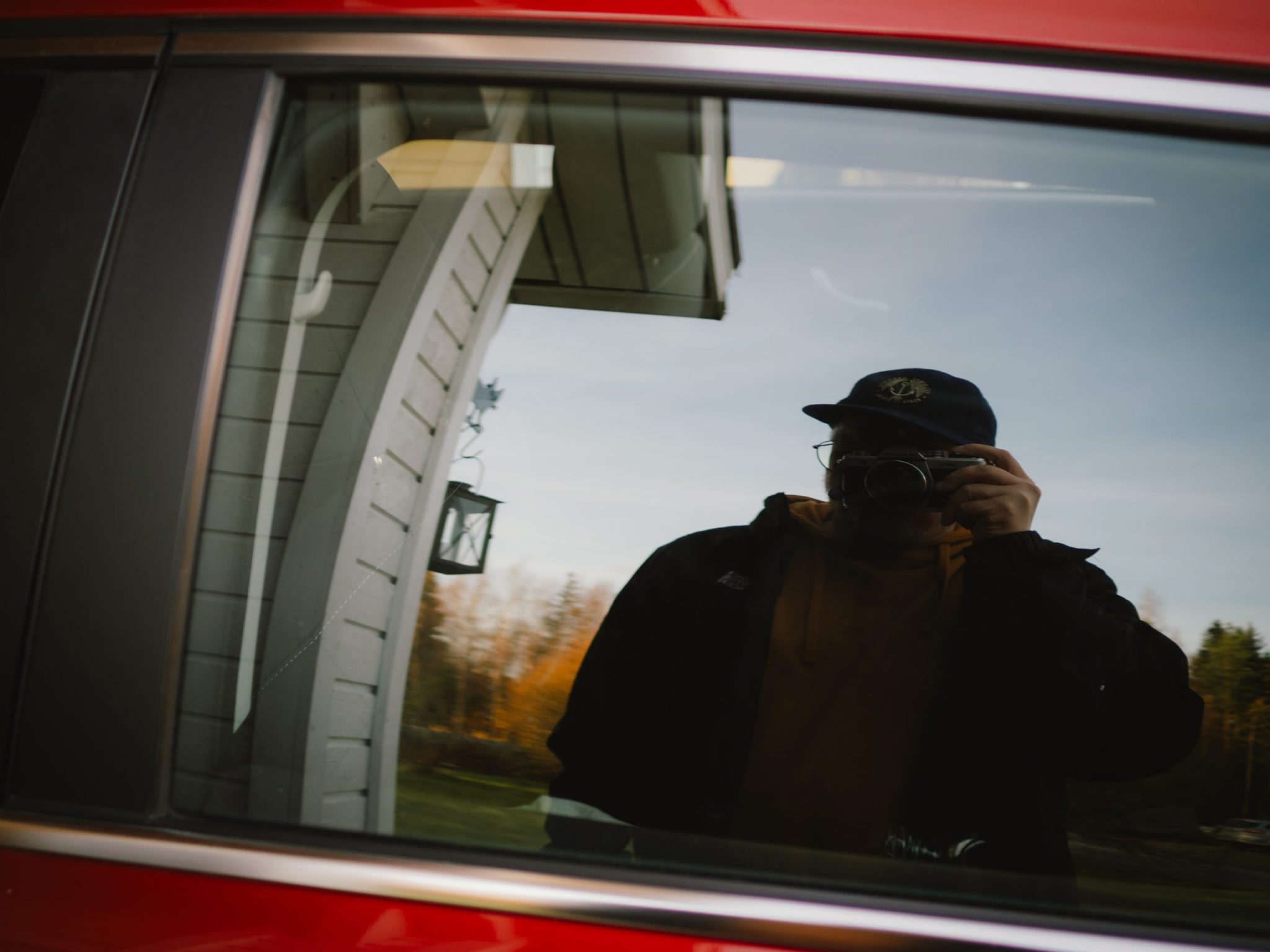
Sometimes, I’ll find a photographer whose style is similar to my own. Pete Mustaniemi from Finland is one of those photographers, so I thought I’d get to know him and his work better.
Where are you, and what do you do?
I’m Pete Mustaniemi, a photography enthusiast and elderly millennial from Finland. Professionally, I work as a web developer at a digital marketing agency.
How did you get started in photography?
I’ve been into photography for as long as I can remember, and I’ve owned my own cameras since my high school days. For a while, music took center stage, and photography had to take a back seat.
But over the last five years, photography has come back in a big way, and I’ve started taking it a lot more seriously.
What do you enjoy about your photography, or about photography in general?
For me, photography is about practicing creativity and a bit of artistry. Wandering around alone with a camera is also a kind of therapy. It helps me step away from everyday life for a while. In my own style, I really enjoy the joy of finding things, stumbling onto subjects and shots without having planned anything in advance.
In general, I like it when a photograph stirs up some kind of feeling, something you can’t quite put into words. And of course, the cameras themselves are part of the hobby, too.
I enjoy the variety in your photography: seaside, plants, sunlight, and winter scenes. How do you approach the subjects of your photography? How do you decide what to shoot?
Since photography is a hobby and a creative outlet for me, I can shoot whatever I find interesting in the moment. I don’t feel boxed into one specific genre. For the most part, my focus is on everyday scenes, still life, and nature, rather than people.
One of the best things about living in Finland is the changing seasons. They completely transform the landscape, so the exact same spot looks entirely different in winter than in summer.
My approach has actually evolved over time. I used to do more nature photography with long telephoto lenses, but recently I’ve found my interest shifting toward wider frames and urban environments, especially scenes that show signs of human presence.
You mention the Elliot Erwitt quote about “the things you see and how you see them.” How do you see the world? Where do you find beauty or interest?
It’s hard to say exactly what grabs my attention, but in general, I pay attention to light, color, and shapes. Anything slightly out of the ordinary catches my eye, and I like finding things that please me and my own eye in everyday situations.
A sense of calm and quietness is also something I try to bring out in my photos. And anything too perfect is just boring to me.
I see you shoot with a Canon 6D (one of my favorites!) and the OM system. Talk about how you select your gear, and what you use most often.
I have a long history with Olympus and the OM System, and over the years I’ve built up a fairly complete kit. That’s my main setup most of the time.
The Canon 6D is a fantastic camera too, though, and it’s often my pick when I’m shooting at home. I also occasionally get the itch to shoot film, so a lot depends on the mood I’m in.
Any upcoming projects or photo shoots that you’re working on?
At the moment, I’m not working on any specific projects, beyond photographing daily life around my home and neighborhood. I do have a couple of ideas bouncing around in my head, though.
They’re still very much in the early planning stages. We’ll see where they end up.
This weekend, I attended my first artist expo at Jackson’s The Sparks summer open house.
Jen Dixon from my Artists In Jackson 2 project asked me to join. A free table around a bunch of artists and community members provided a great opportunity to promote my portrait projects and sell a few prints.
And that’s exactly what happened. I sold my Musicians In Jackson book and some select photo prints, talked to a bunch of great people, reconnected with some of the artists from my project, and added a few more subjects to the to-do list.
All in all, a good day filled with music, art, and self-promotion.
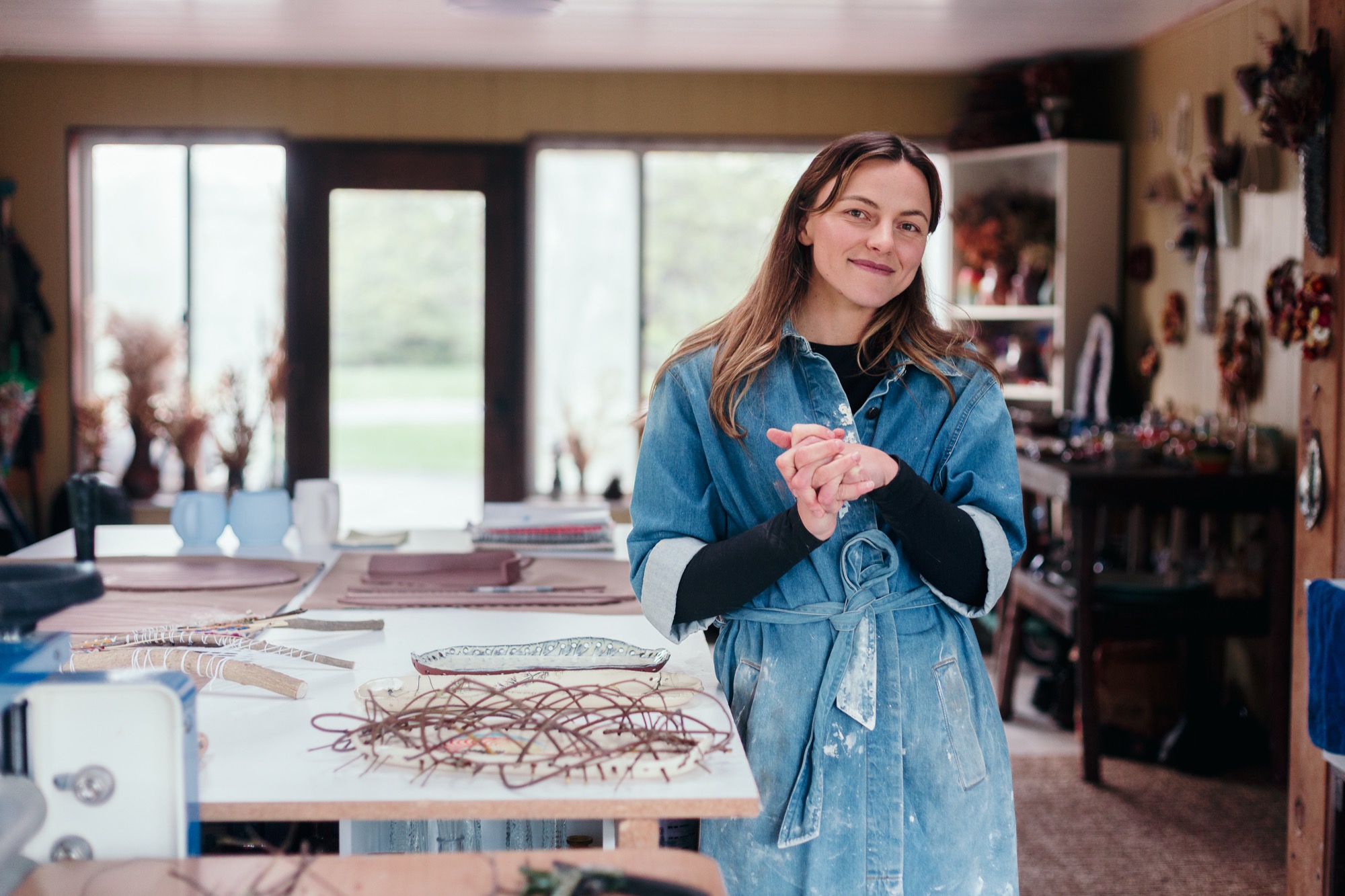
When Abby Dawson and her husband Phil decided to convert the back room of their Brooklyn, Michigan property into a ceramics studio, they ran into a minor structural reality: someone had built the room around a hot tub.
“We had to chainsaw the hot tub into four pieces,” she says, laughing, “and get it out.”
It’s a good starting point into how Abby works. To her, obstacles are just logistics.
The studio that replaced that hot tub room now sits surrounded by old spruce trees on land she describes, without irony, as divine (hence the name: Divine Pine Studios). It’s where she throws, hand-builds, glazes, fires, and occasionally drops a finished ceramic platter on the floor on purpose.
That last bit is all part of her process.
The only way out was demolition.
“I’ll have these videos of me doing slow-mos where I just take a huge platter, one where I put 10 hours into it, and I drop it and just watch it shatter,” Abby says. “You just have to be okay with things not working out.”
Sticking With Ceramics
Abby grew up in Boynton Beach, Florida, moved to Michigan as a high school junior, and eventually landed at Adrian College, where she majored in psychology and art with a focus in art therapy.
Ceramics was the medium that stuck.
“The more you learn about it, the more you feel like you don’t know anything at all. It reminds me of yoga or religion: the deeper you go, the more you realize you are really still just a beginner,” she says. “And I find that genuinely exciting.”
Her ceramics work ranges from rainbow-blended mugs that sell out in minutes, to birch bark cups made with a broom-end tool that leaves tree bark-like marks, to mushroom bowls, sculptural wall hangings, and big platters with organic edges.
“Even if I never sold anything, I will always just make art,” she says. “I just want to make as much as I can.”
In her current work, Abby is moving toward mosaic murals and textured wall pieces assembled from dozens of small individually-glazed tiles. The idea is that many tiny things get combined into one larger shape.
An Unpredictable Art
Abby found her kiln, her first wheel, and a stockpile of ceramics supplies on Craigslist around 2016. The equipment was aging, some of it barely functional, and she lost entire kiln loads of work early on before she understood what she was dealing with.
She learned the hard way that ceramics is an unpredictable art that rewards patience and experimentation.
“You totally have to be okay with failure,” she says. “That’s how it goes.”
Her family’s property hosts the Divine Pine Gathering, a small festival she and Phil started in 2017 that has grown to roughly 600 attendees, 65 classes, 25-plus music acts, a free healing tent, a vendor village, and as many art installations as they can arrange. It runs every other year on their property, the last weekend of July. This year marks the tenth year of the event.
Abby describes running the Gathering the way a curator would talk about mounting a gallery show.
“How do I want people to feel when they’re here?” she says. “How do I want the space to make people feel?”
Stages of Life
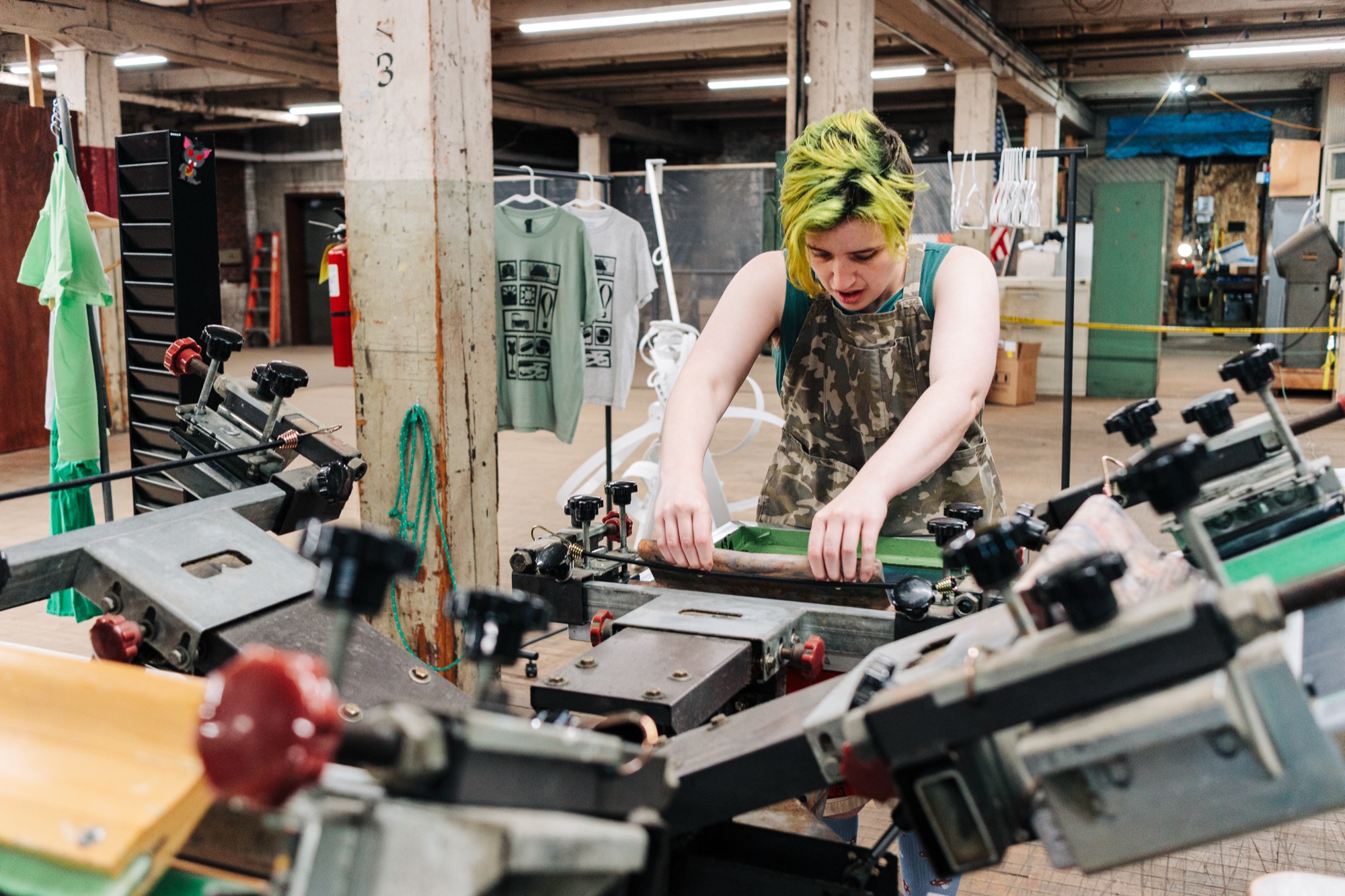
Since having two young children, Abby’s studio time has compressed. She stays up late after the kids are in bed, working by the fading light that remains.
Sometimes, she’ll go weeks without touching clay. Then she’ll spend an entire fall in a push to get items done in time for her annual holiday open studio sale.
But Abby doesn’t complain. It’s all about balance. She understands this is another, different season in her life and studio work – another obstacle to work around.
“I have like 10 things I’d love to do for myself in a day. And it’s like, okay, you can choose one of those things for like 20 minutes,” she says. “With our current stage and the kids being so young, they’re my priority. So I’ll stay up really late out here in the studio.”
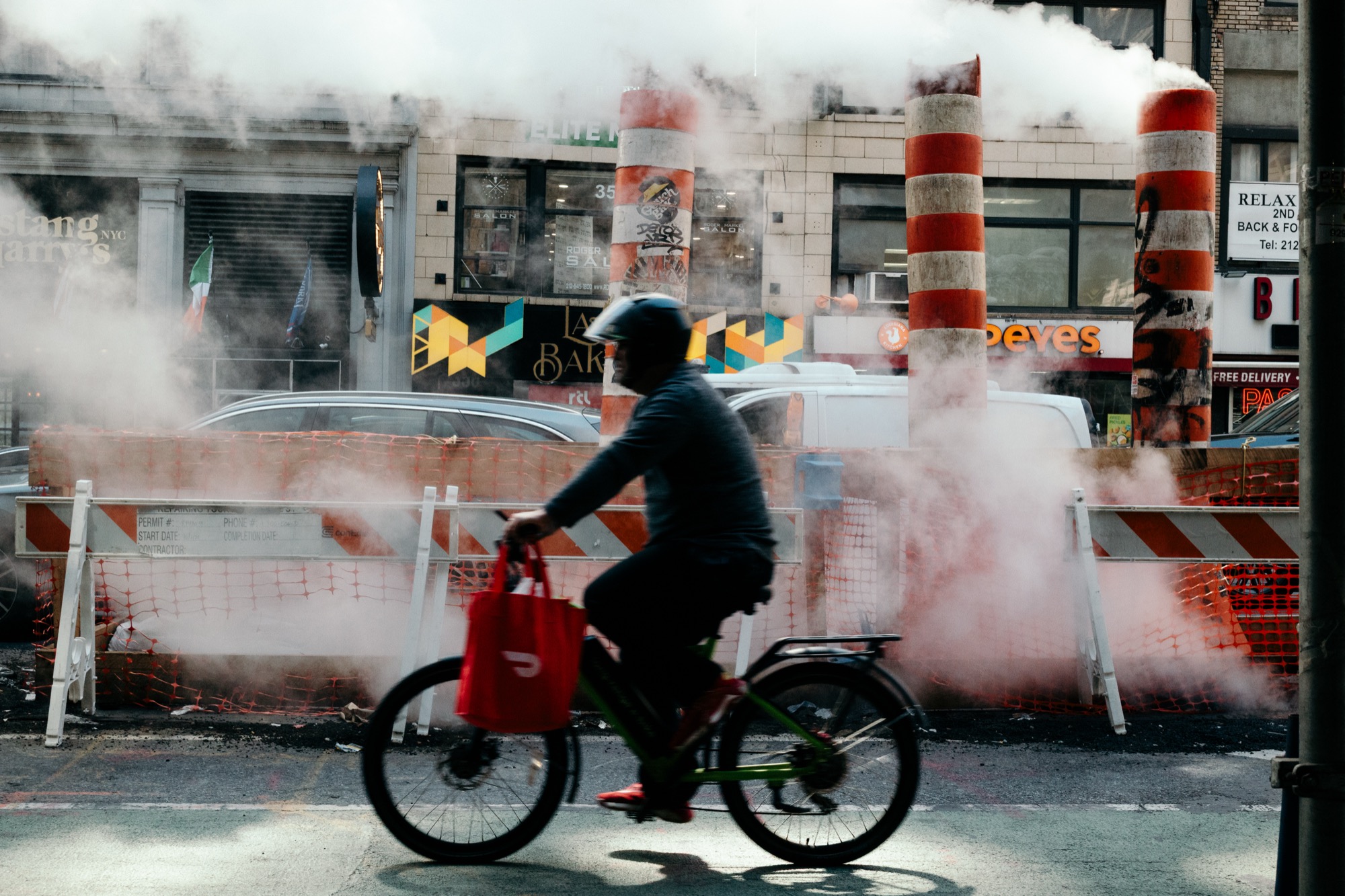
My recent work trip to Manhattan included one perfect, spring sunny day – so I hit the streets to do some New York City street photography.
The constant sunlight and plentiful shadows made this a rich environment for my style.
Everything south of 34th street and west of Park Avenue was mine to explore. While it was a tiny slice of the island, after seeing so much photography done in and around Manhattan, I had my own chance to wander and capture what I saw.
It was a blast.
I’m not sure when I’ll ever get back to NYC, but for this trip, I made the most of it.
Shot on the Canon EOS M6 and (mostly) EF-M 32mm f/1.4.
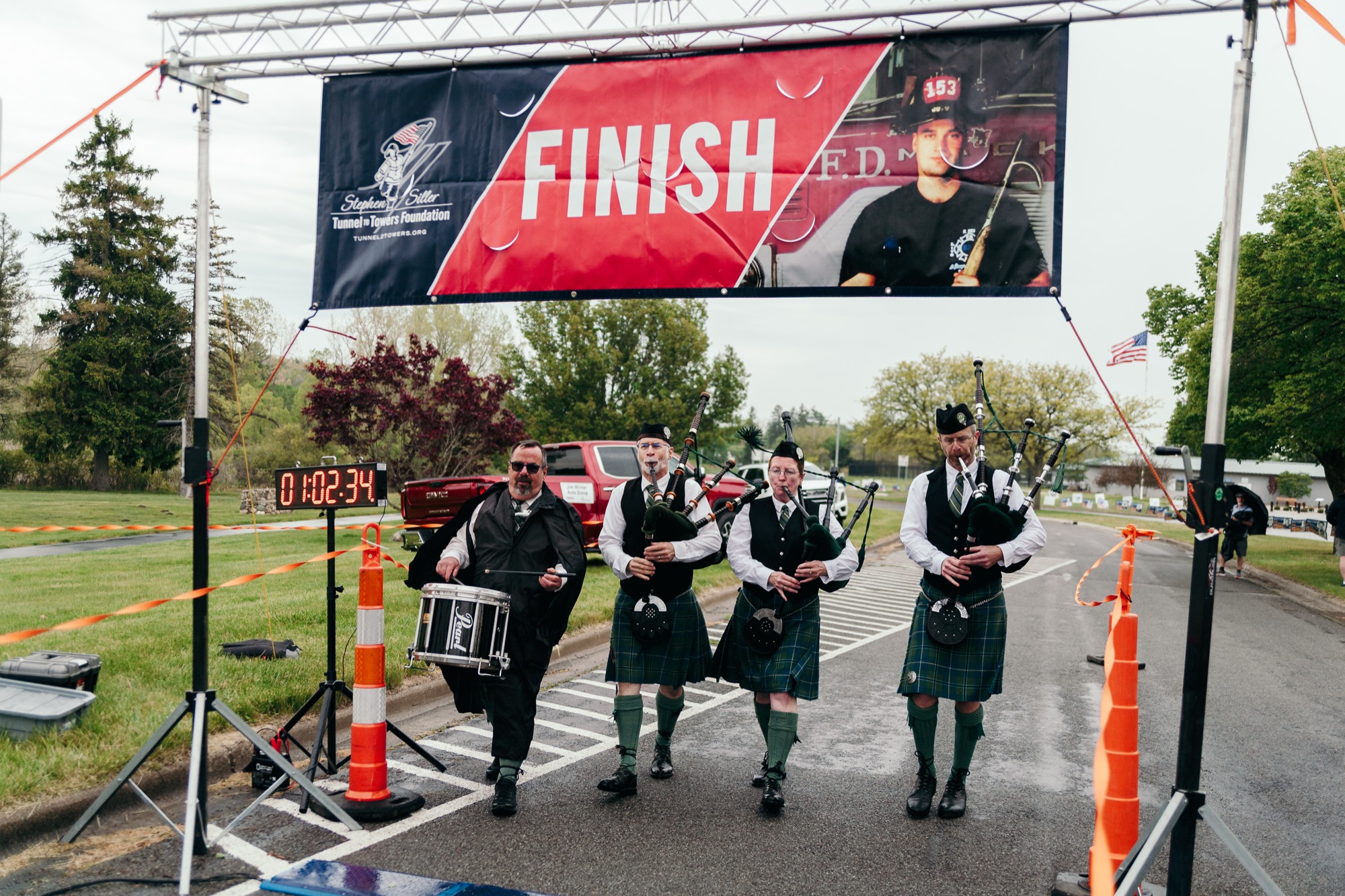
Our daughter, Riley, took a chance on the running club at school. The culmination of the semester was participating in the local Tunnel to Towers 5k.
So we braved a rainy May morning and watched firefighters, first responders, and about 50 elementary students run through Sparks Park in Jackson.
I took this as an opportunity to try out my new-to-me Tamron 28-75mm f/2.8 – an upgrade from my previous Tamron 24-135 f/3.5-5.6 zoom lens.
My review? Pretty good, especially for the $150 I paid for it used. I don’t usually need a full 24mm view, and the extra few stops of light are a nice touch.
For years, Ari Simeone did not make art because he had learned not to.
As a kid growing up on Prince Edward Island in Canada, art was always around Ari. He drew with his father, who he calls “a fantastic artist,” and grew up in a family where creativity was part of everyday life.
“My grandmother was a teacher and she taught everything through the lens of art,” he says. “She taught math through art. She taught science through art.”
Then, for years, Ari stopped.
“While my parents were supportive, others in my life basically told me that to appear more normal, I should have nothing to do with art anymore,” he says. “And so I stopped cold turkey.”
Coming Back to It
Ari returned to painting during the pandemic, almost by accident, sitting at home with his daughter and a set of watercolors.
“We were painting and she looks at me and she’s like, ‘Why have I never seen you do this before?’” he says. “It felt like I got caught doing something I wasn’t supposed to.”
He told her he did not paint anymore. She returned with a question: “What do you mean ‘anymore?’ We’re going to fix that.”
That week, they went to the art store. Ari has been painting ever since.
“It felt like I was coming home. I remember how it felt when I stopped doing art, and I don’t want to wait for something dramatic to happen to get me to start again.”
Painting What Comes In
Much of Simeone’s work begins as translation.
“Everything that would come in through the day, whether it be things I hear or see, I would kind of lock myself in this quiet space in my house, and I would just start painting,” he says. “Everything that came in would come out.”
Ari describes the work as “a visual representation of audio and sensory input,” often building abstract landscapes shaped by motion, sound, and atmosphere rather than fixed, figurative subjects.
He says static days make for stagnant art. That instinct eventually led Ari out of solitude and into public performance.
Painting in Public
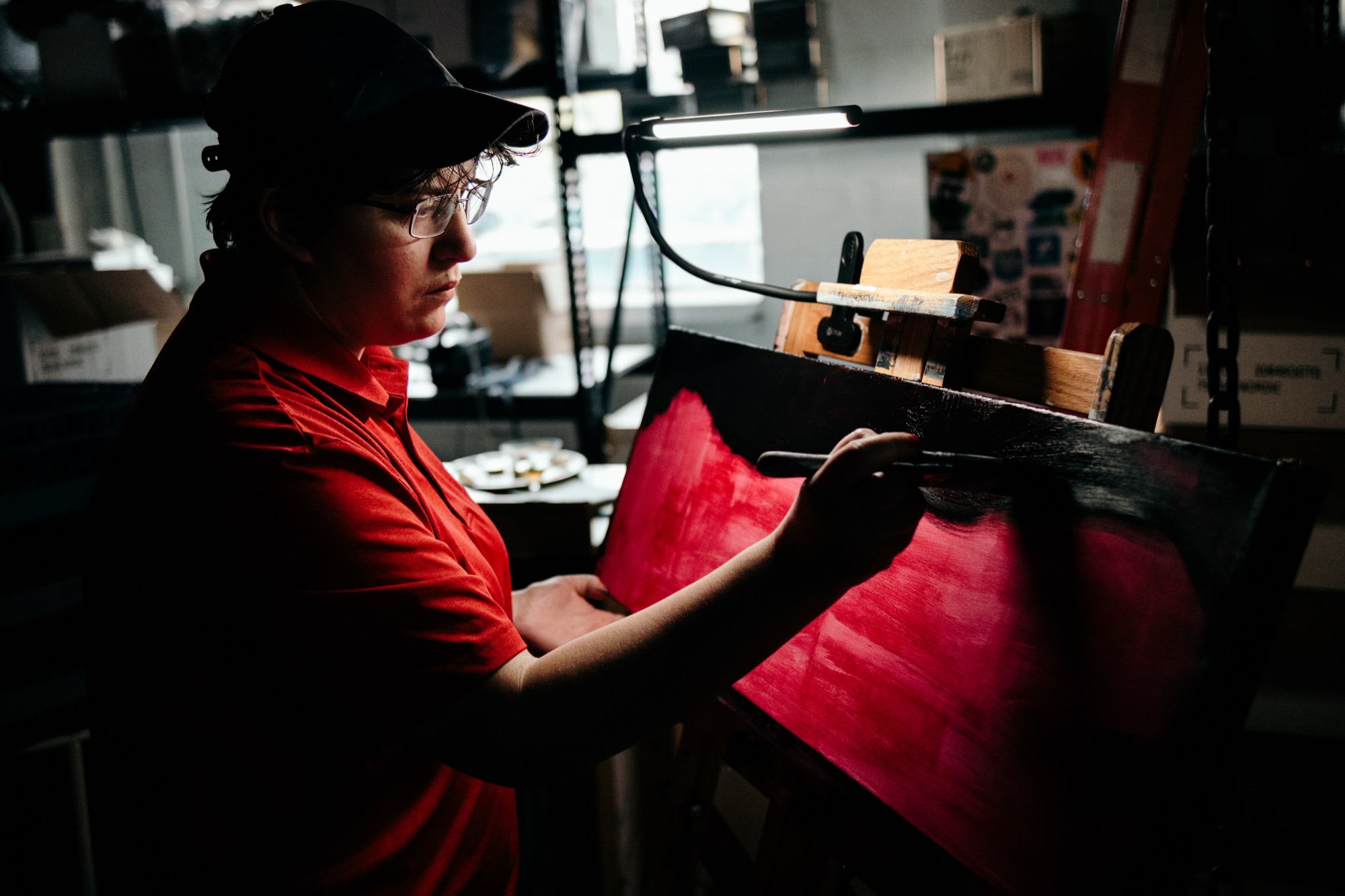
When Ari learned about and entered his first Art Battle, where a panel of artists would compete for votes, he didn’t expect much. The format was everything his process had not been: loud, crowded, timed, and public.
“I thought, this is a neat idea. I would like to watch it, but I’m probably going to hate doing it.”
Instead, he loved it. Ari won his first round, then the next, then states, then went on to compete at nationals in Florida.
Along the way, he found a new way of working.
“Painting in public, there’s always new input,” he says. “There’s always something unexpected or unusual that happens. And part of me just thrives on that.”
Now Ari regularly paints live at festivals and performances, building pieces in real time while musicians play – like at Manchester Underground, at River Raisin Distillery, where he is a focal point of the monthly performances.
“I go and paint the music.”
Doing It Anyways
At Art 634 in Jackson, Simeone’s studio has become both workspace and community space – a place to paint, experiment (he’s working on a creature-building card game), and let people see the work as it happens.
That openness and vulnerability are a result of the lessons Ari learned early on, when he was discouraged from creating.
“One of the thrills I get is from sharing my art and having people be just as excited or more about my art than I am,” he says. “Part of the completion of a piece is also others seeing it. Then my art gets to go out and see the world, too.”
Ari is still nervous making art in public, but that nervousness no longer decides whether the work gets made.
“I’m afraid of this thing,” he says, “so I’ll do it anyways.”
I’m not rich or famous. I don’t have camera companies sending me gear to test.
But over the years, I’ve built a reliable camera collection that works for my needs. Each of my cameras – two DSLRs, two M mirrorless bodies – has a place and a purpose. Kind of by accident, it reminds me of Steve Jobs’ initial Macintosh product strategy after his return to Apple in the mid ’90s.
To explain it properly, I have to show you how I think about all my gear.
The Apple Connection
The first Mac I purchased with my own money was an iBook G4 in 2005 – the accessible, everyday option.
Now, I use an iMac. I have since 2010. As my needs and preferences changed, my computers changed, but I never left the ecosystem. I’ve always been an Apple guy, and remain so to this day.
I’ve done the exact same thing with cameras, and I’ve used an old Apple product philosophy to keep everything manageable.
From there, you could easily understand the PowerMac, iMac, Powerbook, and iBook’s place in the market. What did you need – a desktop? A notebook? Professional or consumer?
Two axes, four boxes. Clarity. That was one of Jobs’ hallmarks after his return to Apple (and the resulting products changed both Apple and the computer industry in amazing ways).
Sort of by accident, I’ve applied this product philosophy to my digital camera collection. Here’s how:
DSLR Pro – Canon 6D: My paid gig workhorse. Weddings, serious shoots, and most of my portrait project work. I pull out the 6D when it has to be right. Plus: 20 megapixels, my highest MP count other than my M6. The Power Mac in this lineup.
DSLR Everyday – Canon 5D (classic!): This almost-20-year-old camera was once my top-of-the-line pro body because it was full-frame. Now it handles family photos and casual shooting. My everyday DSLR option and the iMac equivalent.
Mirrorless Pro – Canon EOS M6: The travel and vacation camera. Europe trips, family vacations, and some project work. The M6 offers more manual control and higher resolution than its predecessor, the OG M. It is like the PowerBook on the mirrorless side.
Mirrorless Everyday – Canon EOS M2: The iBook. Still owned, still used, still earns its spot in the front seat of my car and goes just about everywhere, every day, with me. This is my everyday carry camera.
There are a few exceptions, especially on the film side. I get handed film cameras all the time, so I’ve built up quite the collection. But using this model, you could put my Canon AE-1 in the pro/SLR category, and my Canonet QL17 in the everyday/rangefinder category. Plus my little digicam Canon Powershot, plus plus plus.
Here’s the updated camera version of Steve Jobs’ product grid, based on my use case:
All Canon, All the Time
You may notice that I live entirely in one photo ecosystem: Canon Land.
Just like I use Apple products – Macs, iPhones, etc. – I stay pretty loyal to Canon, and always have. EF lenses, muscle memory, system consistency – I like what Canon has to offer, and I stick to it. It works well for me.
Brand loyalty is about knowing what works for you and growing inside it rather than constantly starting over. It’s the same reason I’ve used Apple products since college: when something works, you build on it.
The Grid Is Alive
My system isn’t frozen. It’s changed over time:
My Canon T1i used to live in the everyday DSLR spot. It’s gone now.
The original 5D was the pro body. After I grabbed the 6D, a worthy upgrade when I bought it 12-plus years ago, the grid had to adjust.
The mirrorless M got upgraded to the M6. Again, the grid adjusts.
My gear earns its quadrant and sometimes loses it. That’s the point. And while it’s not totally logical or neat, it helps keep my cameras organized.
Not everyone needs four cameras. I get it. But even two bodies can fit the framework: your “nice” camera and your “bang around” camera.
By using a system like this, every camera earns its place and has a purpose. Knowing why you own the cameras you own is more useful than owning the best thing – or everything – on the market.
I don’t need the latest and greatest. I just need what works for me.
Count Times Square in New York City as a place I’ve never been to, until a few weeks ago.
I’ve been to New York twice before, but never so close to some of the more iconic destinations: Empire State Building, Statue of Liberty, etc. For this work trip, I resolved to fix this and visit Times Square, which was just a few blocks from my hotel in Manhattan.
My flight landed in the evening, so I took the opportunity to get some night street photography done in Midtown.
And? It was fine. Lots of people, cool options for colored lights and silhouettes. Very crowded.
And tons of people with cameras, photo and video, taking selfies. One pair of ladies even had a mini podcast rig set up to livestream from Times Square. “Look where I am,” everyone was saying.
Street vendors are some of my favorite subjects in the city, especially at night. Food trucks are like little beacons of light surrounded by darkness, and with people always on hand, they make for good photo subjects.
However, one food truck operator – seeing me snap a few photos – came out and called me an “@$$hole.” I gave him a thumbs up and quickly walked away.
I shot most of these using the Canon EOS M6 and the EF-M 32mm f/1.4 for its low-light capabilities and a bit of extra reach (it’s a 50mm-equivalent lens on the M system).
Street photography in a place like Times Square is fairly easy since there are a million people milling around. The trick is to find the quiet ones, or quiet moments, amid all this chaos, and capture that.
That was my strategy, at least, and in the heart of NYC, it worked out pretty well.
Periodically, I’ll go through my photo archives and remember a particular event, trip, or memory. Think of it like a Lightroom-based rediscovery.
One such album dive took me back to the summer of 2012, and one of my most memorable engagement photo sessions with my high school friends Matt and Jennifer in Brooklyn, Michigan.
Matt and Jennifer were high school friends of mine, and we headed out to Mud Lake on what turned out to be one of those perfect July evenings – where the golden-hour light does all the work, and everything just clicks.
It was the first time I’d ever shown up to a shoot with an actual plan. Jen had come prepared with multiple outfits and ideas, and we worked through different setups and styles throughout the night.
And then the sun started to set and – voila – instant magic.
Looking back, I didn’t really know what I was doing in a technical sense. I was so new at photography. But I knew enough to recognize that I had two beautiful people in front of me on a beautiful summer night, and I just made the most of it.
Oh, to be young again.
When I look at those photos now, they take me back to what that evening felt like.
We had such a good time that they asked me to shoot their wedding a few months later.
It was a magical summer night that really set the tone – my preferences, the magic of what light can do – for everything I’ve done ever since.
She’s sketched, painted, made wire jewelry, picked up beading, decorated cakes, attempted a tattoo apprenticeship, and, at one point, filmed her own drawing tutorials for YouTube.
That last one didn’t really take off.
“That didn’t really go well,” she says, laughing it off.
She’s in her early 20s and lives in Vandercook Lake. The through line in everything she does isn’t any particular medium. It’s curiosity.
Sidney’s mostly self-taught. As a kid, she would track down one of those YouTube tutorials just to figure out how something worked.
Art teachers in middle and high school kept her motivated, and she’s always had her dad – and her boyfriend, David – in her corner, cheering her on.
First-Place Finish
By chance, Sidney stumbled across an event on Facebook called Art Battle at Art 634.
The idea is simple: 10 artists, 20 minutes to paint something from scratch, and the audience votes on a winner.
She psyched herself up and signed up for the first-ever Art Battle in Jackson and won the whole thing. Then, Sidney entered the next competition and earned second place.
“If I can do that in 20 minutes, imagine what I can do in a few hours,” she says.
Those competitions lit a fire. Sidney started painting more seriously and found her people at Art 634, where she began vending and building connections in the local art community.
Brain On Mute
Sidney admits she has ADHD, and she’s open about what making art does for her.
When she’s deep in a piece, everything else disappears.
“My whole focus is on that piece,” she says. “It feels like my brain is pretty much shut off and in my hand, going at it.”
Music helps, too. Bring Me the Horizon used to be her go-to. Lately, Sidney enjoys a mix of rock and some hip-hop, but the purpose is the same: block out the noise and lock in on her craft.
Simple Tools
Ask Sidney what her favorite things to make are, and she’ll land on line art and jewelry.
Lately, she started using cheap pens from Dollar as a challenge, but also because they work.
“I just find it fun using cheaper stuff, see what I can do with it,” she says. “Why spend all this money on expensive stuff when the cheaper stuff, you do the same thing?”
Sidney’s jewelry-making started with wire crafts and a short-lived Etsy shop, then she fell down a research rabbit hole into beading.
Each of these media keeps her laser-focused. Sometimes, she’ll sit for hours without looking up.
Future Plans
Sidney’s day job is cake decorating at Country Market, a skill a supervisor handed her after noticing she was artistic. She’s been doing it since 2017 and brings the same care to a cake as she does to a canvas.
Her long-term vision is a bakery and gift shop where she sells her own work and gives other local artists a place to sell theirs, too.
“I want to have my stuff out there and have stuff to have like forever homes, people enjoying my art,” Sidney says.
My photography style revolves around documentary photos. I tend to capture things as they are: people, objects, scenes, abandoned buildings.
Sure, I’ll play with the light, shadows, and color grading. But the camera captures the scene, framed by me, and that’s it. I mostly pay attention to light, shadow, shapes, contrast, and color.
What I have a hard time with is experimenting. Playing. Doing anything other than capturing scenes as I see them (with a few exceptions that I think turned out well).
While we spent time in Chicago on spring break, I took the opportunity to use rainy days, windows, and reflections to play with the scenes around the city.
Even if nothing comes of it, it’s important to try something new and see where it goes.
I often struggle with street photography. For one, I don’t live near a major metropolitan area, so I don’t get a lot of practice.
And for two, when I do street photography, I feel like I capture people from too far away. Rarely, I’ll get the right conditions and have a great session or day out in the city.
During our most recent trip to Chicago, I gave myself a challenge: get closer. Capture people, not necessarily scenes with people.
With the Canon EOS M2 and 22mm f/2, that means I have to get close – sometimes uncomfortably close. But that’s part of the challenge.
And you grow with a little bit of discomfort, right?
Walking around town with my family, I tried to stay incognito with my little mirrorless camera. I set the lens to f/8 and try to react quickly to grab a person on the street.
Sometimes it worked great. Other times, I would misfire or miss focus. But over the long weekend, I grabbed enough close shots of people that I started to get comfortable with this new way of shooting.
Here’s what I noticed: people stare at their phones. It’s such a modern thing, but it’s true – you rarely catch someone just looking, walking, sitting, or engaging in conversation without a glowing screen in front of them.
I really noticed that when I got back and looked at the photos. Phones everywhere.
All in all, the challenge was successful.
Even with the limitations of a 35mm field of view and a slow-focusing M2, there were enough opportunities to grab people (and pets!) face-on, and enough anonymity in a big city like Chicago, to get some decent street photography.
Back to Chicago – this time with the kids on Spring Break.
I brought along the Canon EOS M2 and EF-M 22mm f/2. One lens, one perspective, one view of the Windy City.
Or lots of views: through windows, outside and inside, on the train, people walking through the streets.
Street photography wasn’t the point of this trip. It rarely is, but taking along a camera to catch the sights – well, you grab things as you see them.
And as always, I saw a lot. So you can expect a few days of Chicago photos here on the blog.
Today? It’s all black and white using Mastin Labs’ Tri-X 400 emulation in Lightroom, my favorite as of late. Nice grain, just the right amount of contrast.
That’s my kind of monochrome. For my kind of town.
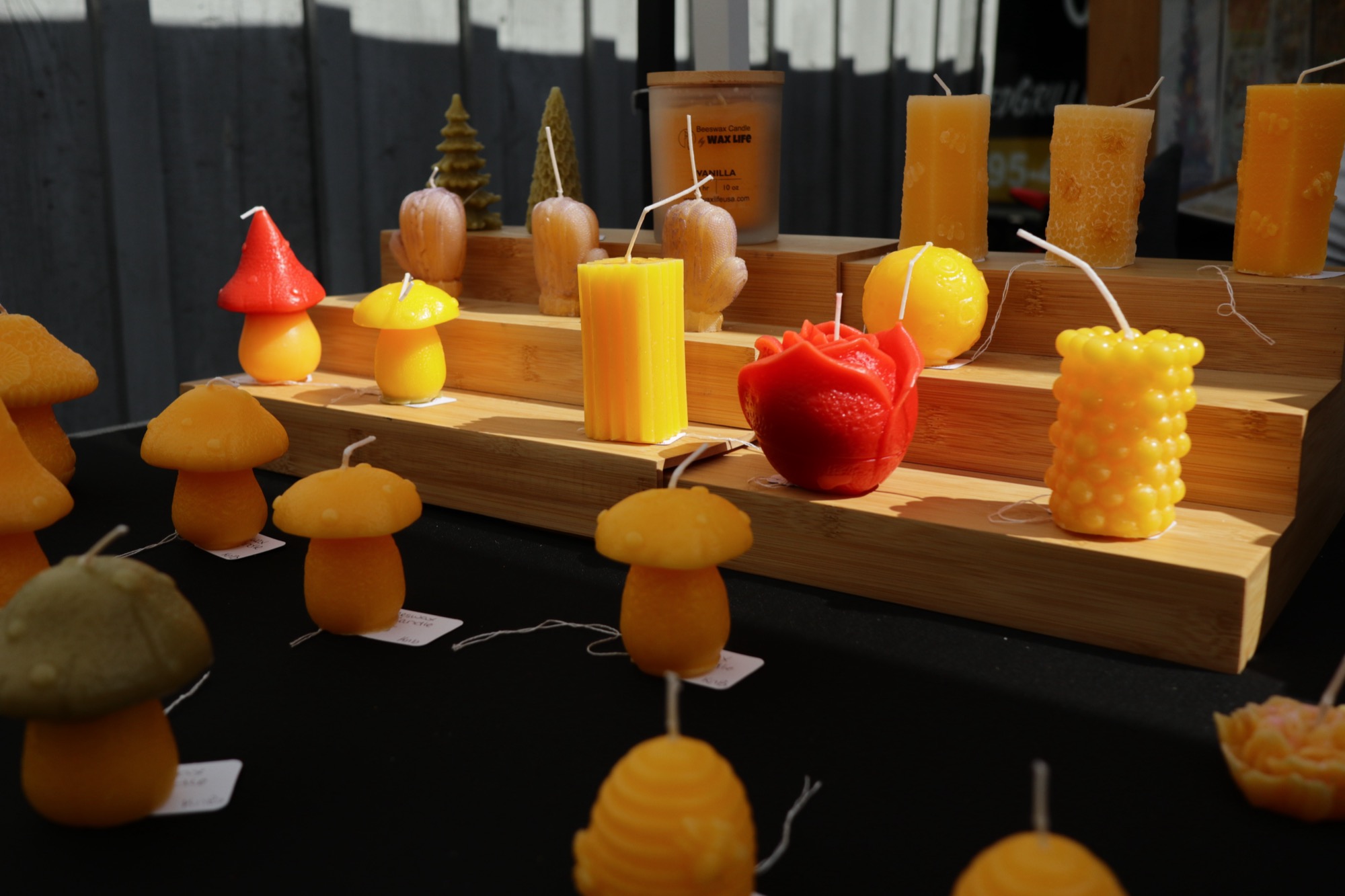








 The only way out was demolition.


 Sometimes, she’ll go weeks without touching clay. Then she’ll spend an entire fall in a push to get items done in time for her annual holiday open studio sale.








 When Ari learned about and entered his first Art Battle, where a panel of artists would compete for votes, he didn’t expect much. The format was everything his process had not been: loud, crowded, timed, and public.
 At Art 634 in Jackson, Simeone’s studio has become both workspace and community space – a place to paint, experiment (he’s working on a creature-building card game), and let people see the work as it happens.