Archiving Family Photos: My Process
For people of a certain age (elder Millennial here), we grew up on the edge of film photography and digital photography. We witnessed the transition unfold firsthand. Our childhoods were captured on film, while our 20s and 30s were mobile and digital.
It’s kind of like when our grandparents’ celebrities – Bob Hope, for example – were still alive when we were kids, but maybe a little past their prime. We knew of them, understood their importance, but weren’t emotional when they passed.
We saw it all come and go, and we had to make the transition from one phase to another. Print photos were still a big thing until about 20 years ago. And now, with film photography making a comeback, it’s like we (and the folks a little older and younger than us) are rediscovering physical photos.

Take family photo albums. They’re like heirlooms. Chances are, people around my age were blessed with thick, ring-bound family albums. If we’re lucky, we still have them.
I had a treasured set of photo albums that I recovered after my mother passed away. But, my brain asks, what if something happens to those albums? What if they get wet? Or lost?
That’s why, a few years back, I made it a project to scan all my childhood photos for safekeeping. If something ever happened to the actual physical photos, I made sure to have a backup.

And now, I’m backing up that backup to Flickr – in a semi-private album. I pay for a Flickr Pro membership, which gives me unlimited uploads. If my backup drives were trashed, I have an off-site system to keep those photos safe.

How do I create the scanned backup?
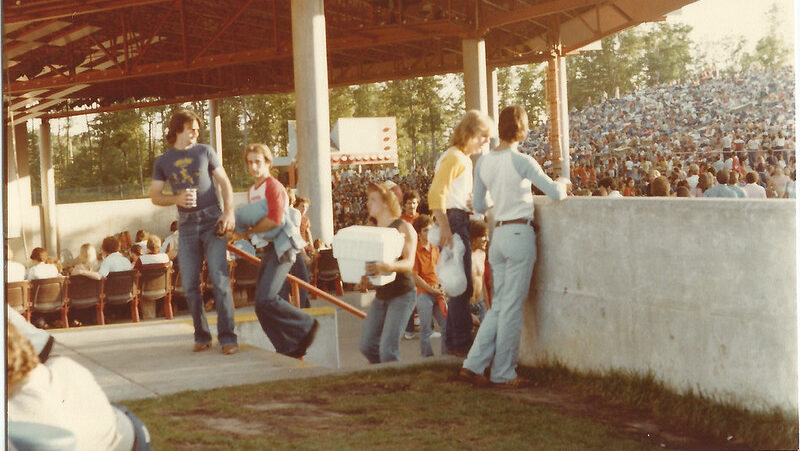
- I take all of my photos and scan them – putting several pictures on the scanning bed, to help with efficiency (see above)
- Next, I crop each individual photo out of the scan and save it, labelling it by the year and subject name
- With the photos scanned and saved, I keep all of these scans safe and sound via the two backups above: an external hard drive, and an off-site backup
There are lots of ways to do this. My method takes some time and patience, but I have control over the whole process, front to back.
So while I still live in both worlds – print and digital – I found a process that uses both types of media to keep my family photos secure.